



Grain and oilseed markets in 2018 were disappointing for producers, which, of course, means they were good for consumers because prices trended lower, at least through the last half of the year. It was really a tale of two cities. The first was one of rising markets and bullish news until it met the second, the Trump trade war, that ignited and reached full war when China slapped 25 percent tariffs on U.S. soybeans in early July. Crop prospects across the U.S. also started to improve about that same time and the result was that corn, wheat, and soybean markets collapsed. The problem with trying to analyze the 2018 markets is that rarely has history seen so many significant “outside” or non-agricultural events impact grai...



 What You Need to Know Today: Commodities were mostly lower across the board today after yesterday’s Federal Reserve meeting hinted at a potential interest rate hike later in 2026. The dollar index reached its highest level in over a year, and a strong dollar makes U.S. agricultural expor...
 Tomorrow is the Juneteenth federal holiday, and the USDA, along with the rest of the federal government and the CME, will be closed, so the monthly Cattle on Feed report was released a day early. The total number of cattle on feed in feedlots with 1,000 head or more capacity on 1 June amounted...

From WPI Consulting
Infrastructure investment due diligence
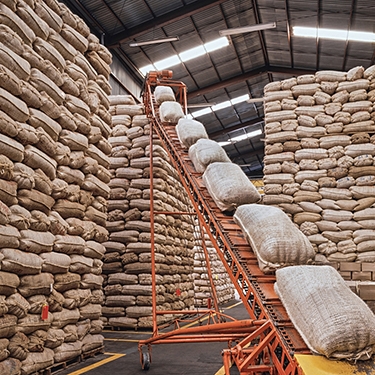
On behalf of a Canadian oilseed processer WPI's team provided market analysis, econometric modeling and financial due diligence in support of a $24 million-dollar investment in a Ukrainian crush plant. Consistent with WPI's findings, local production to supply the plant and the facility's output have expanded exponentially since the investment. WPI has conducted parallel work on behalf of U.S., South American and European clients, both private and public, in the agri-food space.