
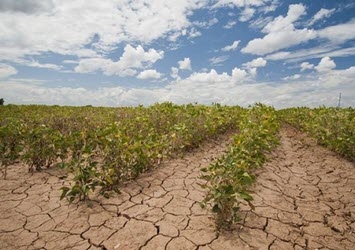
The dryness in Brazil’s soybean production areas is worth watching because there is a history to the situation. There are not the La Niña conditions for a larger adverse impact, but Brazilian soybean yields have historically been lowered when spring rains fail to provide enough moisture. In 2011, La Niña struck South America and the drought in Brazil was said to be worse than the 2008/2009 event. Between mid-December 2011 and early January 2012, the Department of Rural Economy (DERAL) raised the amount of soybeans rated in medium/bad condition from 18 percent to 32 percent, while lowering crops rated in good condition from 82 percent to 68. Yields that growing season fell 15 percent from a year earlier to just 2.6...



 What You Need to Know Today: After a period of limited activity, USDA reported a sizeable 613 KMT in soybean export sales, including 330 KMT to China and 283 KMT to unknown destinations, potentially also China. The purchases represent a meaningful pickup in demand and bring China closer to ful...
 Key Takeaways: Dry bulk markets remain mixed with Capesize vessels seeing continued pressure from weaker demand while fixtures and rate strength gradually increases towards the smaller vessel classes. Tanker markets are pulling back from their recent highs as tonnage moves out of the Mid...

From WPI Consulting
Communicating importance of value-added products

Facing increasing pressure to quantify the value of export promotion efforts to investors, a U.S. industry organization retained WPI to develop a quantitative model that better communicated the importance of exports. The resulting model concluded that value-added meat exports contributed $0.45 cents per bushel to the price of corn, increasing support for that sector’s financial support of WPI’s client. In addition to serving the red meat industry with this type of analysis, WPI has generated similar deliverables for the U.S. soybean and poultry/egg industries.