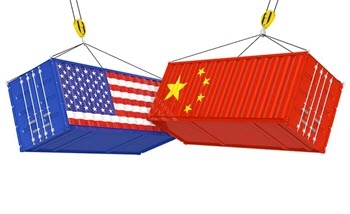
The modern U.S.-China trade relationship has always been strained. President George W. Bush addressed this challenge by bringing China into the WTO to force its compliance with global trading rules. However, that didn’t work. While two-way trade did grow significantly, so did China’s manipulation and disregard of WTO rules it didn’t like (including coercion on tech) along with the imposition of ad hoc non-tariff barriers on U.S. ag commodities. Over the decades, the latter have included beef, chicken, pork, corn, wheat, ethanol, and DDGS. Following that effort, President Obama focused on diplomacy and engagement, such as a bilateral investment treaty and the U.S.-China Economic and Strategic Dialogue. He also used i...



 What You Need to Know Today: Oil prices extended their rally Tuesday as disruptions to global supplies intensified. Saudi Arabia halted crude loadings at its Yanbu Red Sea port following the shutdown of the East-West Pipeline, while protests by oil-sector security workers forced the suspension...

 The USDA has lowered its 2026 red meat production forecasts while leaving poultry almost unchanged. Beef is now projected at 24.877 billion pounds, 90 million pounds below August on slower Q3 fed cattle slaughter and lighter dressed weights, along with an anticipated counterseasonal cutback in...
 Beef packer margins deteriorated to $156.75/head last week, down $46.05 from the prior week as fed cattle prices strengthened while gains in the Choice cutout were comparatively modest. The Choice cutout increased...

From WPI Consulting
Forecasting developments in production agriculture
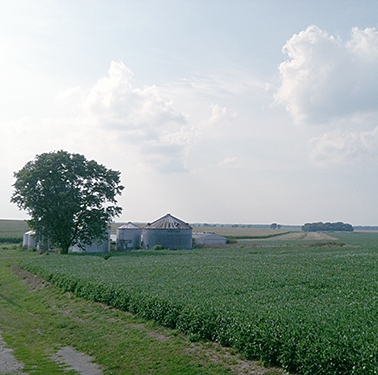
On behalf of a private U.S. agricultural technology provider, WPI’s team generated an econometric model to forecast the movement of concentrated corn production north and west from the traditional U.S. Corn Belt. WPI’s model has subsequently provided quantitative support to a multi-million-dollar investment into short-season corn variety development. WPI’s methodology included a series of interviews with regional grain elevators and seed consultants. Emphasizing outreach and communication with stakeholders who possess intimate sectoral knowledge – on-the-ground insights – is a regular component of WPI’s methodologies, made possible by WPI’s ever-growing network of industry contacts.