

Last week was fully of crazy news for the livestock and meat sector with much of it involving snowflakes, both real and of the college variety. Blizzard Snowflakes A late spring blizzard hit the Great Plains last week. The National Weather Service in Dodge City, Kansas reported the deepest accumulations reached 16-18 inches. The weight of the snow did cause severe damage to the hard winter wheat crop, but it is also having an impact on the cattle markets. The nearby Live Cattle futures contract is at an 18-month high this week. Much of the area battered by the blizzard was also subject to wildfires about a month ago, which damaged pasture areas. The snowstorm caused the loss of cattle, both on pasture and in feedlots. There are no officia...



 What You Need to Know Today: After a period of limited activity, USDA reported a sizeable 613 KMT in soybean export sales, including 330 KMT to China and 283 KMT to unknown destinations, potentially also China. The purchases represent a meaningful pickup in demand and bring China closer to ful...

 Key Takeaways: Consumer spending is a key driver of the U.S. economy, and the latest retail sales data indicate that spending remains robust despite inflation. In September, total retail and food service sales rose more than 6 percent year-over-year, with food service spending up 7 percent and...
 The Trump import plan for 300,000 MT of beef supplies used for ground beef, i.e., lean trim, from September through November has, according to Secretary Brooke Rollins, brought some relief to beef prices. The Executive Order states that the Secretary of Agriculture will analyze and review the m...

From WPI Consulting
Infrastructure investment due diligence
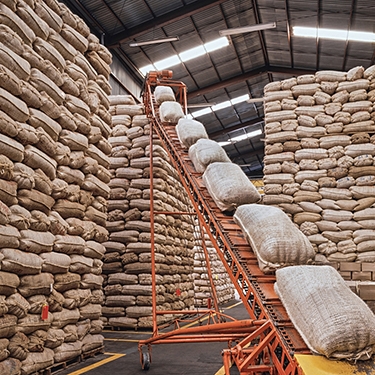
On behalf of a Canadian oilseed processer WPI's team provided market analysis, econometric modeling and financial due diligence in support of a $24 million-dollar investment in a Ukrainian crush plant. Consistent with WPI's findings, local production to supply the plant and the facility's output have expanded exponentially since the investment. WPI has conducted parallel work on behalf of U.S., South American and European clients, both private and public, in the agri-food space.