Key Takeaways:
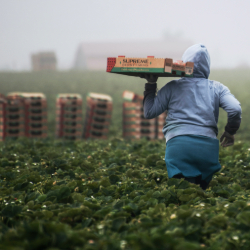
Persistent labor shortages are increasing operational challenges and costs across U.S. agriculture, particularly in labor-intensive sectors such as specialty crops, dairy, and meat processing. Immigrant workers, including H-2A employees, remain essential to the agricultural workforce, while immigration policy and enforcement continue to influence labor availability. Labor constraints are accelerating investment in automation, though many specialty crop operations still depend heavily on manual labor due to quality and harvesting challenges. Expanding the agricultural workforce will likely require a combination of immigration reform, streamlined guest worker programs, improved incentives for domestic workers, and continued te...


 What You Need to Know Today: New World screwworm is back in the headlines after new cases were found in a hunter-harvested elk in Texas and a beef cow in New Mexico. The detection in wildlife could further complicate containment efforts, as implementing effective biosecurity measures is consid...

 Cattle on Feed Expectations USDA’s monthly Cattle on Feed report that will show cattle inventory statistics as of 1 October will be released tomorrow, 23 October. Analysts’ pre-report consensus estimates are for the total inventory on feed to be 100.3 percent of last year, which imp...

 Key Takeaways: Dry bulk markets remain mixed with Capesize rates turning around from their recent weakness and posting solid gains on improved Chinese demand. Panamax vessels, on the other hand, saw rates decline amid greater tonnage availability in the South Atlantic and falling U.S. Gu...