


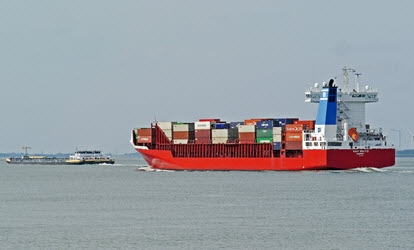
The U.S. has traditionally had a positive trade balance in agricultural goods, though it has fluctuated depending on the value of the dollar and global economic conditions. On a value basis, exports have been relatively static in recent years while imports have been rising. Agricultural exports took a hit as a result of the trade war with China, though it has been very product specific. Bulk agricultural exports declined by nearly $10 billion over the past two years but have rebounded slightly in the first quarter of fiscal year 2020. Soybeans were the largest export losers followed by feed grains, and these two categories have seen the largest improvements in recent months. By contrast, bulk agricultural imports have been static wit...



 What You Need to Know Today: Commodities were mostly lower across the board today after yesterday’s Federal Reserve meeting hinted at a potential interest rate hike later in 2026. The dollar index reached its highest level in over a year, and a strong dollar makes U.S. agricultural expor...
 Tomorrow is the Juneteenth federal holiday, and the USDA, along with the rest of the federal government and the CME, will be closed, so the monthly Cattle on Feed report was released a day early. The total number of cattle on feed in feedlots with 1,000 head or more capacity on 1 June amounted...

From WPI Consulting
Infrastructure investment due diligence
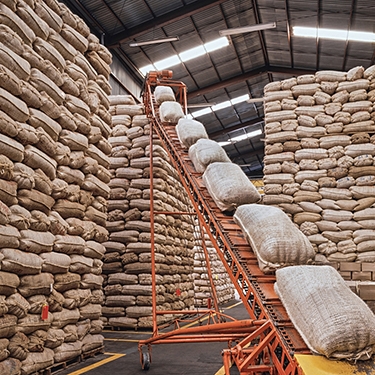
On behalf of a Canadian oilseed processer WPI's team provided market analysis, econometric modeling and financial due diligence in support of a $24 million-dollar investment in a Ukrainian crush plant. Consistent with WPI's findings, local production to supply the plant and the facility's output have expanded exponentially since the investment. WPI has conducted parallel work on behalf of U.S., South American and European clients, both private and public, in the agri-food space.