


One of the things that stood out in USDA's May WASDE was that total U.S. exports of wheat, corn and soybeans will again be significantly lower than those of a few years ago. The result will be a U.S. export system that will be throttled back to the idle position. It will also mean the rail transportation system will have excess capacity and that shuttle train rates should trade at levels below tariff -- except, perhaps, for the harvest period. The table below shows the past six years' of wheat, corn and soybean exports.Corn certainly stands out as the big loser in this picture. There are three reasons for the plunge in corn exports: ethanol, poor consecutive corn crops and corn expansion in Brazil and Ukraine.We often hear about the loss...



 What You Need to Know Today: Commodities were mostly lower across the board today after yesterday’s Federal Reserve meeting hinted at a potential interest rate hike later in 2026. The dollar index reached its highest level in over a year, and a strong dollar makes U.S. agricultural expor...
 Tomorrow is the Juneteenth federal holiday, and the USDA, along with the rest of the federal government and the CME, will be closed, so the monthly Cattle on Feed report was released a day early. The total number of cattle on feed in feedlots with 1,000 head or more capacity on 1 June amounted...

From WPI Consulting
Infrastructure investment due diligence
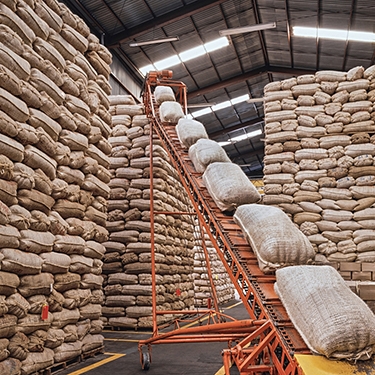
On behalf of a Canadian oilseed processer WPI's team provided market analysis, econometric modeling and financial due diligence in support of a $24 million-dollar investment in a Ukrainian crush plant. Consistent with WPI's findings, local production to supply the plant and the facility's output have expanded exponentially since the investment. WPI has conducted parallel work on behalf of U.S., South American and European clients, both private and public, in the agri-food space.