
WPI offers the following PDF of key supply and demand tables and charts relating to the USDA’s latest WASDE report. This is not an all-inclusive compilation of relevant market factors, only those which we feel are of top priority. WPI will seek to expand the offerings in this report and we welcome any feedback from our readers. Note that the images are created in vector format, which means they will not lose resolution upon zooming in and may show more information after magnification than initially appears. You may find this useful if you wish to use an image in a presentation or something similar...


 Developer's Note 24 August 2026: WPI recently completed an exercise that updated the codebase for this app and solved some of the discrepancies between our five-year average calculation and USDA's. There are a few lingering cases where early (late) starts (finishes) to the crop cycle resu...
 What You Need to Know Today: Corn and soybean futures were lower to open the week, with funds still in control and in a selling mood. The upcoming WASDE report on Tuesday is also likely to feature larger corn and soybean stocks, which helped put grain futures on the defensive. Wheat futures we...
 Key Takeaways: Currency exchange rates influence agricultural export competitiveness and producer profitability, even when underlying commodity prices remain unchanged. A weaker domestic currency allows agricultural exporters to receive more local currency for dollar-denominated sales, potenti...


 Although inflation has remained elevated since the post-COVID surge, it steadily moderated until the past year. More to the point, today’s inflation looks very different from 2022, when the Consumer Price Index (CPI) peaked at 9 percent. During and after the pandemic, the M2 money supply...

From WPI Consulting
Forecasting developments in production agriculture
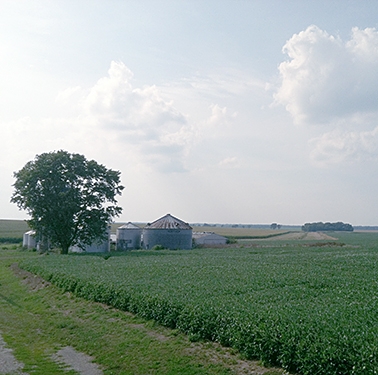
On behalf of a private U.S. agricultural technology provider, WPI’s team generated an econometric model to forecast the movement of concentrated corn production north and west from the traditional U.S. Corn Belt. WPI’s model has subsequently provided quantitative support to a multi-million-dollar investment into short-season corn variety development. WPI’s methodology included a series of interviews with regional grain elevators and seed consultants. Emphasizing outreach and communication with stakeholders who possess intimate sectoral knowledge – on-the-ground insights – is a regular component of WPI’s methodologies, made possible by WPI’s ever-growing network of industry contacts.