


Market commentaries rarely discuss any crops other than corn, wheat or soybeans. This is because they have futures markets, and that means speculators. Another reason is that the production volumes of the minor crops are very small relative to the “big three.” These crops include barley, oats, sunflower, pulse crops, etc. Barley is one of the bigger minor crops and obviously important to anyone who enjoys an occasional adult beverage. The problem is that it has started to fade away even as a minor crop. Historical and projected returns per acre simply don’t compete with those of corn, soybeans and even wheat. In addition, farmers growing barley are subject to all sorts of quality requirements to sell the crop into malting...


 What You Need to Know Today: After a period of limited activity, USDA reported a sizeable 613 KMT in soybean export sales, including 330 KMT to China and 283 KMT to unknown destinations, potentially also China. The purchases represent a meaningful pickup in demand and bring China closer to ful...

 Key Takeaways: Consumer spending is a key driver of the U.S. economy, and the latest retail sales data indicate that spending remains robust despite inflation. In September, total retail and food service sales rose more than 6 percent year-over-year, with food service spending up 7 percent and...

 The Trump import plan for 300,000 MT of beef supplies used for ground beef, i.e., lean trim, from September through November has, according to Secretary Brooke Rollins, brought some relief to beef prices. The Executive Order states that the Secretary of Agriculture will analyze and review the m...

From WPI Consulting
Forecasting developments in production agriculture
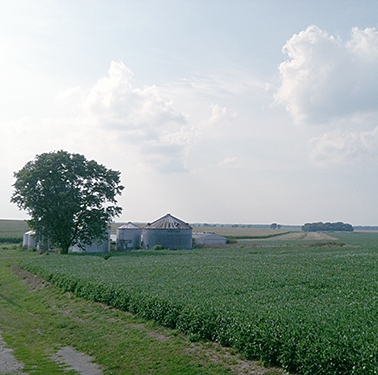
On behalf of a private U.S. agricultural technology provider, WPI’s team generated an econometric model to forecast the movement of concentrated corn production north and west from the traditional U.S. Corn Belt. WPI’s model has subsequently provided quantitative support to a multi-million-dollar investment into short-season corn variety development. WPI’s methodology included a series of interviews with regional grain elevators and seed consultants. Emphasizing outreach and communication with stakeholders who possess intimate sectoral knowledge – on-the-ground insights – is a regular component of WPI’s methodologies, made possible by WPI’s ever-growing network of industry contacts.