
Indian Commerce and Industry Minister Piyush Goyal says that India would be “happy and willing” to negotiate a trade agreement with the U.S. American farmers should be pummeling the White House to pursue such a deal. India runs a large trade surplus with the U.S. and benefits from substantially lower tariffs than those it applies to U.S. products. The Biden Administration is negotiating a trade agreement with Kenya, which would bring far less benefits to the American economy than a deal with India. Even if such a negotiation fails, it would highlight the mercantilist structure of India’s trade policy. ...


 As predicted, the Federal Reserve held rates steady at the last meeting before the midterm elections, likely in part because of the election (see WPI 19 October and 22 September). The decision comes at the tail end of a midterm election cycle that has been marked by the two parties campaigning...


 Key Takeaways: The tariff burden rose sharply in 2025 and 2026: the effective rate on imports in HTS Chapters 1–24 increased from 1.53 percent in 2024 to 6.11 percent in 2025, before averaging 5.68 percent in January–August 2026. Headline rates tell only part of the story: exemptio...

 Yesterday, the USDA’s Agricultural Marketing Service (AMS) released a new report of negotiated cash purchases of cattle under the mandatory price report. The report included Colorado, New Mexico, Oklahoma, Texas, and Kansas. The goal of the report was to solve the confidentiality issues e...

 Key Takeaways: U.S. soybean crushing began in 1911 and saw its most rapid expansion during the 1930s amid the broader agricultural and technology revolutions of the time. After peaking in the early 2000s, the soybean crushing industry went through a downturn as poor crush margins forced...

From WPI Consulting
Infrastructure investment due diligence
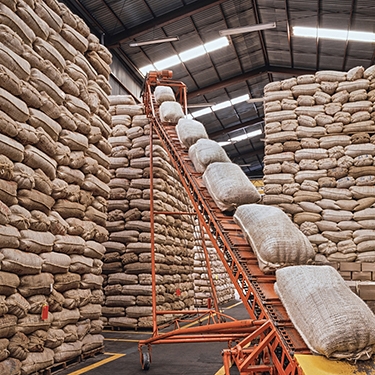
On behalf of a Canadian oilseed processer WPI's team provided market analysis, econometric modeling and financial due diligence in support of a $24 million-dollar investment in a Ukrainian crush plant. Consistent with WPI's findings, local production to supply the plant and the facility's output have expanded exponentially since the investment. WPI has conducted parallel work on behalf of U.S., South American and European clients, both private and public, in the agri-food space.