


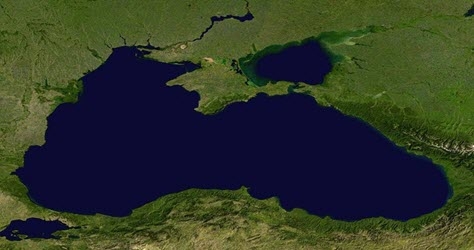
Russian Grain Markets: 1-8 April 2022 During the first week of April, the Russian grain market was predominantly bearish especially on the export front. On the domestic side, the war with Russia in Ukraine, and therefore the expected increased domestic consumer demand, started to raise selling prices despite the global bearish trend. Several factors are driving the current trend: bearish world market, RUR rehabilitation, and the record high export duty. Even with all these bearish factors, domestic prices are still high due to demand on the consumer market for flour, pasta, and other products. Currently, global trade sanctions against Russia and blocked trucks with food and products at the Polish/Belarusian border going to Russia only inte...



Illuminating the value of technical research

On behalf of a commodity producer organization, WPI evaluated the outputs from a project that featured a $5 million investment into technical research over multiple years. WPI’s team captured the results of this extensive effort and synthesized them for presentation to the organization’s governing board; among the findings uncovered and presented for the first time was the development of genomic traits proven, via rigorous testing, to provide crop yield advantages of 50 percent or more to U.S. farmers in times of drought. Capturing measurable results from long-term efforts can be challenging. Educating clients on the dynamics of success measurement when quantifiable results are not readily available requires deep client-consultant collaboration and an ability to consider both near- and long-term client aspirations with market/policy dynamics – attributes that WPI brings to every consulting engagement.