


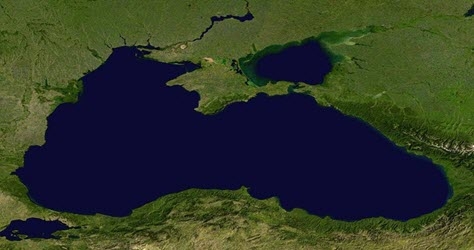
Russian Grain Markets: 2 - 6 January 2023 With a historic grain crop and the upcoming Russian Orthodox Christmas holidays, traders seem to have taken a winter break which may last the first two first weeks of January rather than one week because in Russia the old new year is celebrated too. The government is using this time to test the attitude of market operators and to announce several important updates. First, Russia will impose an export quota for grains beginning 15 February until 30 June 2023. This export quota is 25.5 MMT. Also, the rice export ban is extended until 30 June 2023. Sunflower oil export remains duty free. GASC continues buying Russian wheat and returned to tenders. 28 December saw the first tender since J...


 What You Need to Know Today: The cattle market rebounded sharply this week, with January feeder cattle futures gaining $16.98/cwt and February live cattle futures advancing $7.60/cwt since last Friday. Tyson Foods' plans to restore a second processing shift at its Amarillo, Texas, facili...

 Key Takeaways: The rationale for farm programs has changed significantly from their original intentions. Farmers’ incomes have grown sharply and have surpassed non-farm incomes beginning in the 1970s. Current farm programs are complex and focus on supporting risk management, environmenta...

From WPI Consulting
Illuminating the value of technical research

On behalf of a commodity producer organization, WPI evaluated the outputs from a project that featured a $5 million investment into technical research over multiple years. WPI’s team captured the results of this extensive effort and synthesized them for presentation to the organization’s governing board; among the findings uncovered and presented for the first time was the development of genomic traits proven, via rigorous testing, to provide crop yield advantages of 50 percent or more to U.S. farmers in times of drought. Capturing measurable results from long-term efforts can be challenging. Educating clients on the dynamics of success measurement when quantifiable results are not readily available requires deep client-consultant collaboration and an ability to consider both near- and long-term client aspirations with market/policy dynamics – attributes that WPI brings to every consulting engagement.