


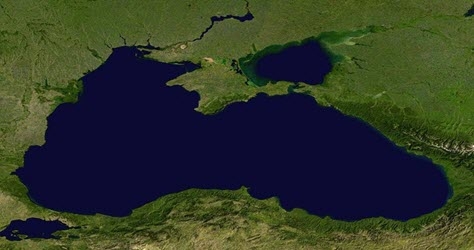
Russian Grain Markets: 8-11 January 2019 All domestic grain prices (except for milling rye) rose in RUB expression, but the growth in USD expression was significant due to the strengthening ruble. Meanwhile, the average milling wheat export price increased $2/MT to $240/MT FOB Black Sea, while purchase prices at seaports were stable in RUB expression but grew in USD expression to $210-212/MT CPT-Black Sea port. The average feed barley export price fell, though, to $237/MT FOB as the average CPT-Black Sea port increased to $209/MT. GEOGRAPHICALLY 3rd grade soft milling wheat prices grew in Central and the South (+$0.90/MT), Black Soil (+$1.30/MT), Volga Valley (+$3.50/MT), and Siberia (+$4.70/MT) . However, they remained stable in Ural...


 What You Need to Know Today: Russia rejected calls for a ceasefire in the Black Sea, including a proposal to halt attacks on civilian shipping that could help restore grain flows from Ukrainian ports. Tyson Foods announced plans to permanently close its Joslin, Illinois, beef processing facili...


 The Bureau of Labor Statistics (BLS) released the Consumer Price Index (CPI) on Wednesday. In July, the CPI rose 0.1 percent, seasonally adjusted, and rose 3.4 percent over the last 12 months, not seasonally adjusted. The index for all items less food and energy, or the “core” infla...
 We have described the long-term investment climate in crop and livestock production, using data primarily from the Bureau of Economic Analysis (BEA). The data provided background on the current investment climate and outlook for agricultural capital formation. Our conclusion was that investment...

From WPI Consulting
Accountability and a comprehensive approach to export programming

WPI’s team helped construct a strategic approach to develop, implement, and track promotional activities in 8 key regions across the globe for an agricultural export association. With continued progress measurement and strategic advisory services from WPI, the association has seen its ROI from investments in promotional programming increase by 44 percent over the past 5 years. Not only does this type of holistic approach to organizational strategy provide measurable results to track and analyze, it fosters top-down and bottom-up organizational accountability.