


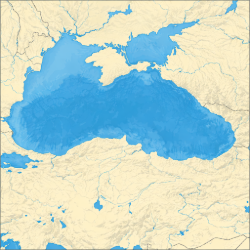
Russian Grain Markets: 16–20 March 2026 During the second week of February, the Russian grains market showed a sharp divergence between domestic and export trends. The domestic market was slightly bullish but overall remained stable. In contrast, export market trading in RUB was mostly bearish. In southern regions, domestic prices are linked to export levels, with a weaker RUB limiting price gains. The resumption of wheat export duties—after several months of zero rates—is gradually lifting reference export prices. In the near term, significant RUB-denominated price increases are unlikely. Domestic Supply Pressure High stocks continue to pressure domestic prices nationwide. As of late February, Russian farmers held 24.827...


 What You Need to Know Today: Headlines emerging from negotiations between President Trump and President Xi were relatively limited, with a more substantive announcement expected Monday. U.S. Trade Representative Jamieson Greer indicated that additional details related to agricultural trade cou...

 The heat of summer is now transitioning into more moderate temperatures, and the next two months have the busiest marketing periods of the year for replacement cattle. Weather always influences the replacement cattle market, and the primary grain belt in the Southern Plains, where many cattle a...

From WPI Consulting
Communicating importance of value-added products

Facing increasing pressure to quantify the value of export promotion efforts to investors, a U.S. industry organization retained WPI to develop a quantitative model that better communicated the importance of exports. The resulting model concluded that value-added meat exports contributed $0.45 cents per bushel to the price of corn, increasing support for that sector’s financial support of WPI’s client. In addition to serving the red meat industry with this type of analysis, WPI has generated similar deliverables for the U.S. soybean and poultry/egg industries.