


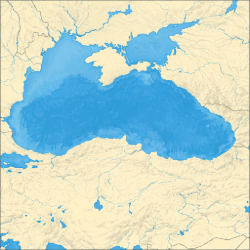
Russian Grain Markets: 6-10 April 2026 During the week in review, the Russian grains market was volatile. Domestic sentiment remained bullish, supporting an upward trend; however, the export market in the south stayed bearish. Given Russia’s export-driven structure, weak export demand is likely to offset domestic strength. A stronger ruble reinforces the bearish outlook, despite declining export duties, which remain largely technical this season rather than restrictive. Russia ratified an additional grain export quota of 5 MMT, valid through 30 June 2026, bringing the total seasonal quota to 25 MMT. The decision followed revised 2025 production data, with total grain output at 141.2 MMT, up from 125.9 MMT a year earlier. Wheat product...


 What You Need to Know Today: The November Cattle on Feed Report, which details October placements and marketings alongside 1 November on-feed inventories, was notably bullish, with placements falling below even the lowest analyst estimate. President Trump’s meetings with Asian leaders su...

 USDA’s 1 November cattle on feed report was released today, with cattle in feedlots with a capacity of 1,000 head or more totaling 11.6 million head, 99 percent of last year. Placements dropped in October to their lowest total for the month since records began in 1996, setting a record l...

 The monthly consumer price index (CPI) can be hard to interpret on its own, especially when it comes to wages. Looking at prices without wages, or wages without prices, shows only part of the story. You also need to consider your own industry, because economy-wide wage figures say little about...

From WPI Consulting
Communicating importance of value-added products

Facing increasing pressure to quantify the value of export promotion efforts to investors, a U.S. industry organization retained WPI to develop a quantitative model that better communicated the importance of exports. The resulting model concluded that value-added meat exports contributed $0.45 cents per bushel to the price of corn, increasing support for that sector’s financial support of WPI’s client. In addition to serving the red meat industry with this type of analysis, WPI has generated similar deliverables for the U.S. soybean and poultry/egg industries.