


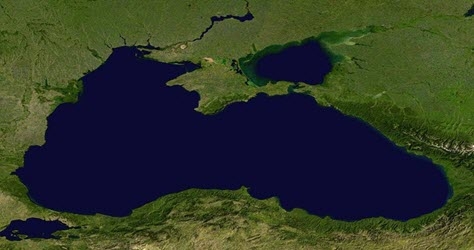
Russian Grain Markets: 15–19 April 2024 International sanctions and reverse measures Russia adopted towards “unfriendly” countries may leave Russia without proper genetics for this spring’s planting campaign. While small grains are available due to long term domestic seed history, there are still crops where imported seeds were at 90 percent before Russia’s invasion of Ukraine. It is too early to declare that we are facing a large-scale deficit of seeds but demand for high quality seed did increase lately. Some mega farms which are indirectly often controlled by the government are reporting to Moscow that their seeds are 80 percent Russian. Some of them report that 100 percent of seeds are Russian. However, t...


 What You Need to Know Today: The November Cattle on Feed Report, which details October placements and marketings alongside 1 November on-feed inventories, was notably bullish, with placements falling below even the lowest analyst estimate. President Trump’s meetings with Asian leaders su...

 USDA’s 1 November cattle on feed report was released today, with cattle in feedlots with a capacity of 1,000 head or more totaling 11.6 million head, 99 percent of last year. Placements dropped in October to their lowest total for the month since records began in 1996, setting a record l...

 The monthly consumer price index (CPI) can be hard to interpret on its own, especially when it comes to wages. Looking at prices without wages, or wages without prices, shows only part of the story. You also need to consider your own industry, because economy-wide wage figures say little about...

From WPI Consulting
Forecasting developments in production agriculture
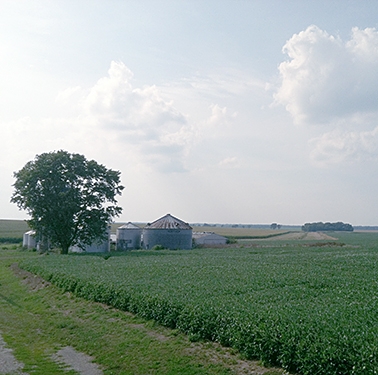
On behalf of a private U.S. agricultural technology provider, WPI’s team generated an econometric model to forecast the movement of concentrated corn production north and west from the traditional U.S. Corn Belt. WPI’s model has subsequently provided quantitative support to a multi-million-dollar investment into short-season corn variety development. WPI’s methodology included a series of interviews with regional grain elevators and seed consultants. Emphasizing outreach and communication with stakeholders who possess intimate sectoral knowledge – on-the-ground insights – is a regular component of WPI’s methodologies, made possible by WPI’s ever-growing network of industry contacts.