


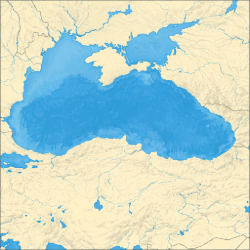
Russian Grain Markets: 7–11 September 2026 During the first week of September, the Russian grain market remained volatile but predominantly bearish. Among the few commodities that continued to show a bullish trend was rye, which is in short supply this year and has few offers available. Interestingly, southern Russia was predominantly bullish, unlike other regions. Russian state-owned rail service is already applying subsidies for grain rail deliveries, allowing large farmers and traders to ship grain north or south at more attractive rates. More grain is moving north toward Baltic ports, where export-market prices continue to appreciate, while Black Sea regions remain unmistakably bearish. With exports at historically low levels, pri...


 What You Need to Know Today: Cattle futures extended their sharp selloff Friday as weakening cash cattle prices, deteriorating feedlot profitability, and reduced packer demand continued to weigh on the market. The inability of futures to sustain a rally following last week's bullish Cattle on...

 Key Takeaways: WPI’s new EU rapeseed crushing margin models point to weaker processing returns over the next four months due to higher rapeseed procurement costs and weaker product values. Statistical forecasts call for German crushing margins to decline from €181/MT to €...
 Key Takeaways: The tariff burden rose sharply in 2025 and 2026: the effective rate on imports in HTS Chapters 1–24 increased from 1.53 percent in 2024 to 6.11 percent in 2025, before averaging 5.68 percent in January–August 2026. Headline rates tell only part of the story: exemptio...

From WPI Consulting
Accountability and a comprehensive approach to export programming

WPI’s team helped construct a strategic approach to develop, implement, and track promotional activities in 8 key regions across the globe for an agricultural export association. With continued progress measurement and strategic advisory services from WPI, the association has seen its ROI from investments in promotional programming increase by 44 percent over the past 5 years. Not only does this type of holistic approach to organizational strategy provide measurable results to track and analyze, it fosters top-down and bottom-up organizational accountability.