


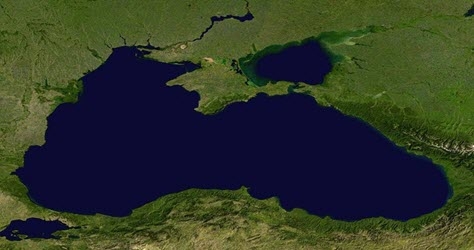
Russian Grain Markets: 27 September-1 October 2021 Pricing trends of the previous week persisted: wheat and barley domestic prices increased moderately in the European part of Russia and significantly in the Asian part, especially in the Ural region. New harvest domestic corn prices continued to decrease. Export milling wheat average price decreased slightly to $307/MT FOB Black Sea. Average purchase price decreased slightly to RUB 16,400/MT CPT-port Black Sea. Feed barley average export price remained stable at $265/MT FOB Black Sea; average purchase price remained at RUB 15,100/MT. Feed corn average export price increased to $268/MT FOB Black Sea while average purchase price decreased to 14,400/MT CPT-port. GEOGRAPHICALLY 3rd gr...


 What You Need to Know Today: Brazilian President Luiz Inácio Lula da Silva secured reelection on Sunday, defeating right-wing Senator Flávio Bolsonaro despite trailing in the first round of voting. The surprise victory triggered a sharp selloff in Brazilian financial market...

 The 2026 midterm elections are a week from tomorrow, but early voting has been taking place for weeks. At stake is control of Congress, including the House of Representatives, where all 435 seats are contested, and the Senate, where approximately one-third of the seats are up for election. Farm...
 Key Takeaways: Total U.S. crop acres (excluding hay) are forecast to expand fractionally this year due to greater oilseed crop and winter wheat plantings. One of the key drivers of this year’s crop outlook is input costs, and crops with a lower cost profile have an advantage in producers...

From WPI Consulting
Accountability and a comprehensive approach to export programming

WPI’s team helped construct a strategic approach to develop, implement, and track promotional activities in 8 key regions across the globe for an agricultural export association. With continued progress measurement and strategic advisory services from WPI, the association has seen its ROI from investments in promotional programming increase by 44 percent over the past 5 years. Not only does this type of holistic approach to organizational strategy provide measurable results to track and analyze, it fosters top-down and bottom-up organizational accountability.