


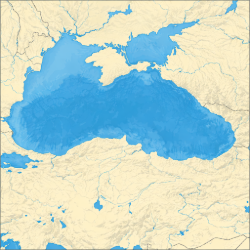
Russian Grain Markets: 28 September–2 October 2026 During September, the Russian grain market clearly divided between export demand in the Baltic and Caspian seas. While Caspian business is still developing, Baltic business is showing greater stability and is becoming an important indicator for short-term developments in the Russian wheat and other grain markets. Russian analysts report that Baltic seaports accounted for 60 percent of Russia’s wheat exports during September. July–September wheat exports are estimated at approximately 6.8 MMT, compared with 11.3 MMT a year earlier. July–September barley exports are estimated at approximately 1.3 MMT, compared with 2.4 MMT a year earlier. July–September corn expo...


 WPI Grain Prices and Freight Rate App Note: you can also visit the app directly by clicking here. Supplemental Information The section below offers a concise view of the options available in the current version of the WPI FOB Price and Freight Rate app, along with a short “How To”...
 What You Need to Know Today: U.S. corn condition ratings took a surprise turn for the worse in Monday’s report, with 54 percent rated good/excellent (down 3 percent). Dry weather in the U.S. Wheat Belt is stalling planting and causing concerns for the 2027 crop, in turn boosting futures...
 Key Takeaways: Export sales measure new commitments for future delivery, while export inspections provide a timelier gauge of grain that is physically moving through the export system. Sales and inspections often diverge from week to week because they measure different stages of the export pro...

From WPI Consulting
Forecasting developments in production agriculture
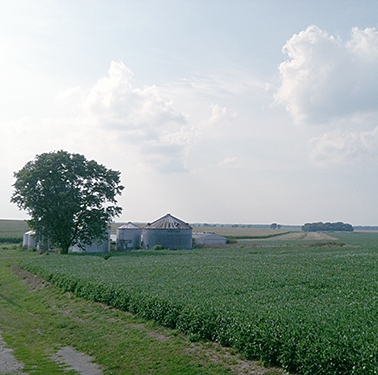
On behalf of a private U.S. agricultural technology provider, WPI’s team generated an econometric model to forecast the movement of concentrated corn production north and west from the traditional U.S. Corn Belt. WPI’s model has subsequently provided quantitative support to a multi-million-dollar investment into short-season corn variety development. WPI’s methodology included a series of interviews with regional grain elevators and seed consultants. Emphasizing outreach and communication with stakeholders who possess intimate sectoral knowledge – on-the-ground insights – is a regular component of WPI’s methodologies, made possible by WPI’s ever-growing network of industry contacts.