


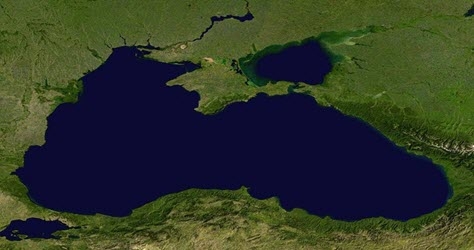
Russian Grain Markets: 1-5 October Prices followed the previous week’s trend of moving in different directions. While average prices also again mainly grew, they decreased slightly in USD expression due to weakening of the ruble. Exports slowed slightly because of Rosselkhoznadzor’s stricter control at seaports. Milling wheat export prices rose $2/MT to $232/MT FOB Black Sea, and purchase prices at seaports remained stable in RUB expression but fell in USD expression to $190/MT CPT-Black Sea port. The average feed barley export price grew $1/MT to $237/MT FOB, and the average CPT-Black Sea port price was stable in RUB expression but decreased in USD expression to $198/MT. The average corn export price was unchanged at $188/MT...


 What You Need to Know Today: After a period of limited activity, USDA reported a sizeable 613 KMT in soybean export sales, including 330 KMT to China and 283 KMT to unknown destinations, potentially also China. The purchases represent a meaningful pickup in demand and bring China closer to ful...
 Key Takeaways: Dry bulk markets remain mixed with Capesize vessels seeing continued pressure from weaker demand while fixtures and rate strength gradually increases towards the smaller vessel classes. Tanker markets are pulling back from their recent highs as tonnage moves out of the Mid...

From WPI Consulting
Illuminating the value of technical research

On behalf of a commodity producer organization, WPI evaluated the outputs from a project that featured a $5 million investment into technical research over multiple years. WPI’s team captured the results of this extensive effort and synthesized them for presentation to the organization’s governing board; among the findings uncovered and presented for the first time was the development of genomic traits proven, via rigorous testing, to provide crop yield advantages of 50 percent or more to U.S. farmers in times of drought. Capturing measurable results from long-term efforts can be challenging. Educating clients on the dynamics of success measurement when quantifiable results are not readily available requires deep client-consultant collaboration and an ability to consider both near- and long-term client aspirations with market/policy dynamics – attributes that WPI brings to every consulting engagement.