
Food has historically been traded based on relative price whereby low-cost producers dominate the marketplace. Border tax advocates now want to add the cost of an externality, greenhouse gas emissions. This change could possibly turn the world on its head. Since meat is criticized for being a major culprit of climate change, it provides a good example of potentially outsized effects from giving more weight to emissions than to price. Based on FAO data on the intensity of emissions by country and meat product, rain forest advocates will be glad to know that Brazil should not be producing and exporting beef, milk (products), lamb, eggs, or pork. But strictly looking at the intensity of CO2 equivalent emissions per kilogram of meat product pr...



From WPI Consulting
Forecasting developments in production agriculture
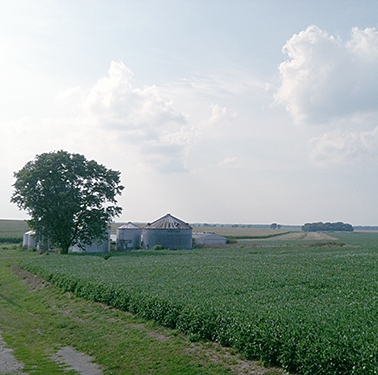
On behalf of a private U.S. agricultural technology provider, WPI’s team generated an econometric model to forecast the movement of concentrated corn production north and west from the traditional U.S. Corn Belt. WPI’s model has subsequently provided quantitative support to a multi-million-dollar investment into short-season corn variety development. WPI’s methodology included a series of interviews with regional grain elevators and seed consultants. Emphasizing outreach and communication with stakeholders who possess intimate sectoral knowledge – on-the-ground insights – is a regular component of WPI’s methodologies, made possible by WPI’s ever-growing network of industry contacts.