

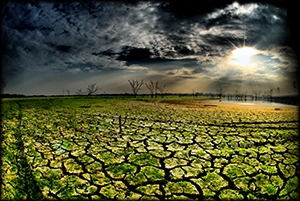
Analysts have noted the analog years for adverse El Niño impacts in Brazil as 2015/16 and 2020/21. As in those years, Brazil has had limited moisture and intense heat in major central and norther production areas. However, corn was more adversely impacted than soybeans in both of those past production years. Corn production declined 21.1 percent and 14.7 percent, respectively. By contrast, soybean output fell just 1.34 percent in 2015/16, and increased in 2020/21. However, soybean production fell the following year by 6.4 percent. The current respite from heat and drought is limited. Showers are scattered and with lower intensity. The Vegetative Health Index is worse than 2015 in some areas, and less harsh in other areas. As s...



 What You Need to Know Today: Russia rejected calls for a ceasefire in the Black Sea, including a proposal to halt attacks on civilian shipping that could help restore grain flows from Ukrainian ports. Tyson Foods announced plans to permanently close its Joslin, Illinois, beef processing facili...
 We have described the long-term investment climate in crop and livestock production, using data primarily from the Bureau of Economic Analysis (BEA). The data provided background on the current investment climate and outlook for agricultural capital formation. Our conclusion was that investment...

From WPI Consulting
Weighing in on strategic realignment

WPI’s team was retained by the governing board of a U.S. industry organization to review a decision, reached by vote, to invest significant assets into the development and management of an export trading company. WPI’s team conducted a formal review of this decision and concluded that the current level of market saturation would limit the benefits of the investment. Based on WPI’s analysis and recommended actions, the board subsequently reversed its decision and undertook a strategic planning effort to identify more impactful investments. On behalf of numerous clients, WPI has not only assisted in identifying strategic paths but also advised their implementation.