Key Takeaways:
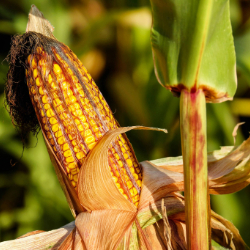
Brazil has been the second-largest producer of fuel ethanol globally, but almost all of it was derived from sugarcane until recently. Corn ethanol production has increased due to expanded second-crop corn production, sugarcane storage limitations, and biofuel policy. Brazil is expanding anhydrous ethanol blends as its vehicles are mostly designed as flex-fuel vehicles, which can operate effectively at higher anhydrous ethanol blends or with 100 percent hydrous ethanol. Brazil’s expanding biofuel production is a result of its RenovaBio policy, which introduced the trading of decarbonization credits (CBIOs). Brazil’s Fuels of the Future Law, passed in 2024, enhanced its commitment to biofuels, particularly SAF and...



 What You Need to Know Today: After a period of limited activity, USDA reported a sizeable 613 KMT in soybean export sales, including 330 KMT to China and 283 KMT to unknown destinations, potentially also China. The purchases represent a meaningful pickup in demand and bring China closer to ful...

 Key Takeaways: Consumer spending is a key driver of the U.S. economy, and the latest retail sales data indicate that spending remains robust despite inflation. In September, total retail and food service sales rose more than 6 percent year-over-year, with food service spending up 7 percent and...

 The Trump import plan for 300,000 MT of beef supplies used for ground beef, i.e., lean trim, from September through November has, according to Secretary Brooke Rollins, brought some relief to beef prices. The Executive Order states that the Secretary of Agriculture will analyze and review the m...