
Reducing the chemical load in agriculture can be done, it is already being done to some degree, and it will be increasingly in the future. The use of crop rotations, integrated pest management, planting cover crops, and other practices can have positive impacts. Automated mechanical weeding machines could reduce the most widely used herbicides. However, the changes and reductions will not be according to arbitrary political targets like 50 percent. For example, retired Vermont state chemist Nat Shambaugh found that fields planted with cover crops are subsequently sprayed with herbicides to prepare them for the next crop. That means that soil erosion is reduced but chemical use increases. Permanent crops are just that, permanent and t...



From WPI Consulting
Forecasting developments in production agriculture
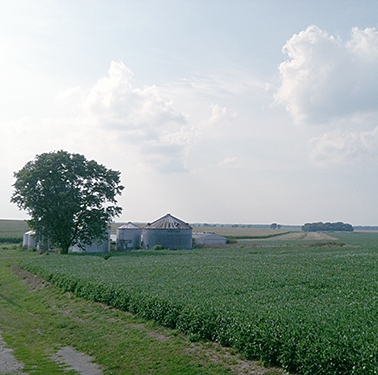
On behalf of a private U.S. agricultural technology provider, WPI’s team generated an econometric model to forecast the movement of concentrated corn production north and west from the traditional U.S. Corn Belt. WPI’s model has subsequently provided quantitative support to a multi-million-dollar investment into short-season corn variety development. WPI’s methodology included a series of interviews with regional grain elevators and seed consultants. Emphasizing outreach and communication with stakeholders who possess intimate sectoral knowledge – on-the-ground insights – is a regular component of WPI’s methodologies, made possible by WPI’s ever-growing network of industry contacts.