

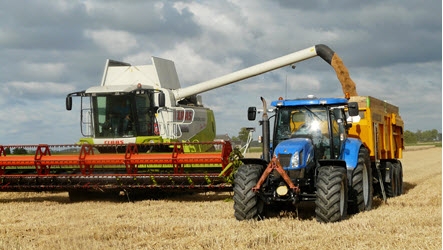
The EU wants to reduce pesticide use by 50 percent and fertilizer applications by 20 percent. These are arbitrary metrics chosen by policymakers. To ensure a level playing field, some lawmakers want to restrict imported food that does not meet or exceed Europe’s production standards. Different crops and different agronomic conditions require different nutrients and crop protection levels. One size does not fit all. Worse, the data available remains very imprecise. Using wheat and nitrogen as an example reveals some of the challenges. Based on nitrogen application per hectare, Ukrainian and Saudi wheat could not meet the EU’s current application practice, let alone a 20 percent reduction. Note that Saudi grain production h...



 What You Need to Know Today: Russia rejected calls for a ceasefire in the Black Sea, including a proposal to halt attacks on civilian shipping that could help restore grain flows from Ukrainian ports. Tyson Foods announced plans to permanently close its Joslin, Illinois, beef processing facili...
 We have described the long-term investment climate in crop and livestock production, using data primarily from the Bureau of Economic Analysis (BEA). The data provided background on the current investment climate and outlook for agricultural capital formation. Our conclusion was that investment...

From WPI Consulting
Communicating importance of value-added products

Facing increasing pressure to quantify the value of export promotion efforts to investors, a U.S. industry organization retained WPI to develop a quantitative model that better communicated the importance of exports. The resulting model concluded that value-added meat exports contributed $0.45 cents per bushel to the price of corn, increasing support for that sector’s financial support of WPI’s client. In addition to serving the red meat industry with this type of analysis, WPI has generated similar deliverables for the U.S. soybean and poultry/egg industries.