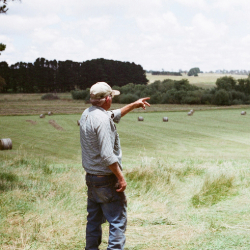
Key Takeaways:
An aging farmer population and fewer younger successors are creating growing farm succession challenges, leaving many operations without a clear future High land values and capital requirements create major barriers to farm ownership for new producers Farmland consolidation and corporate ownership are becoming more common. A large share of U.S. farmland is operated through rental arrangements, a structure that has remained broadly stable for decades Corporate farming structures in some cases shift production toward salaried labor models, reducing financial exposure for workers while also limiting income upside tied to ownership. Although foreign ownership of U.S. farmland has raised food security concerns, it remains limited...



 What You Need to Know Today: The G7 agreed to release 100 million barrels of crude oil and fuel reserves over four months, with a substantial diesel release front-loaded into the first 20 days. The announcement initially pushed crude oil lower on Friday, although it later recovered a portion o...

 In a recent social media post, R-CALF unveiled its latest cattle market plan: “contracts that bind producers before establishing a base price, then tie that price to future negotiated cash transactions, should be prohibited.” That proposal aligns with recent legislation by Represent...
 Key Takeaways: The recent pearl-clutching from parts of the beef industry regarding the loss of the daily Kansas fed cattle negotiated trade pricing report is overwrought and ignores the fact that the direction was readily apparent. The shift away from negotiated trade has been well docu...

