


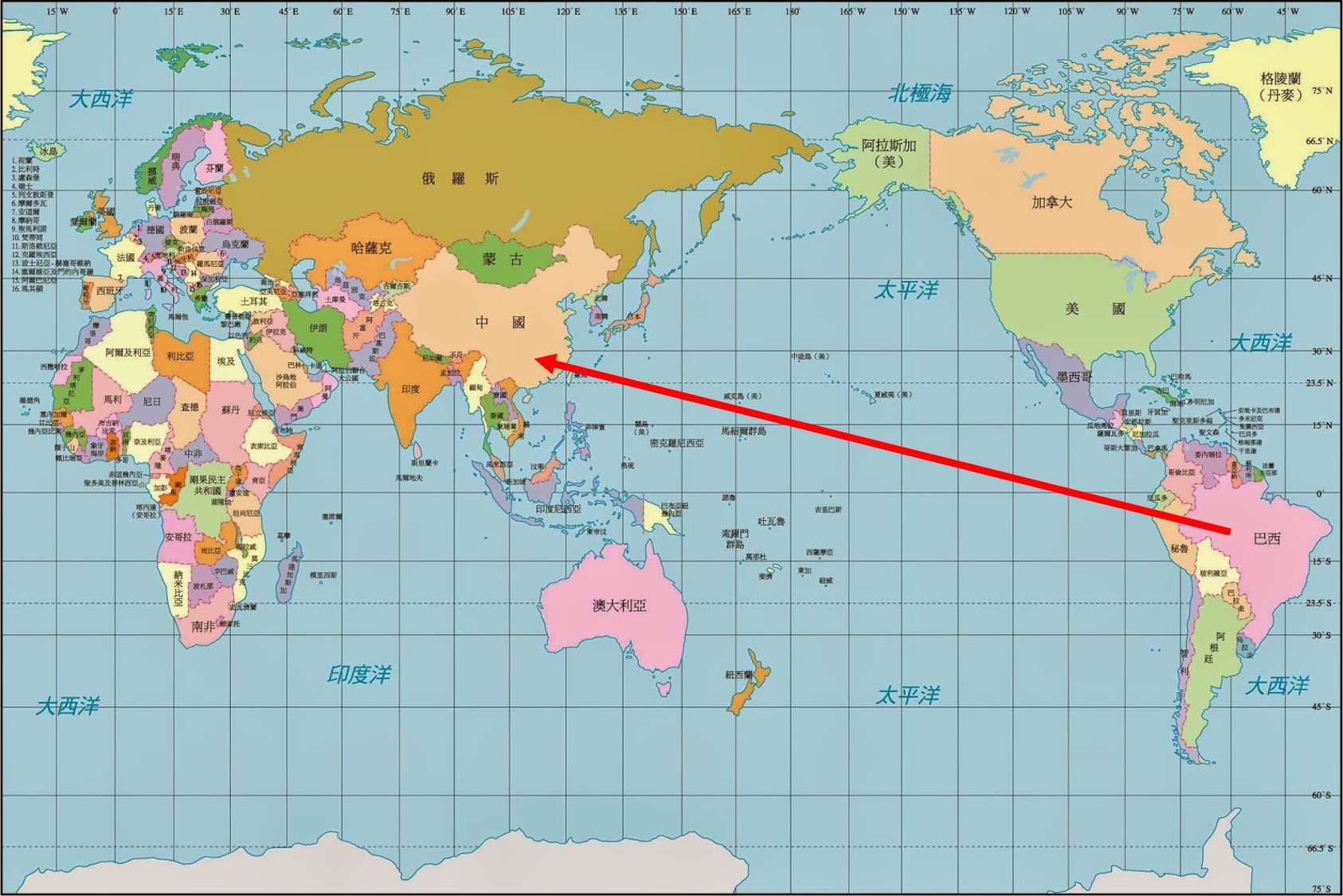
Oilseeds Trade War and Weather Made Brazil China’s Main 2018 Source Recently released data from China’s Customs Bureau show how much China came to rely on Brazil in 2018 for its imported soybeans. The sharp uptick in imported soybeans from the South American giant was due primarily to the trade war between China and the U.S., which went in to full effect at the beginning of July. The other important factor was weather, which adversely impacted harvest conditions in Argentina, thereby reducing that country’s production. According to the statistics, from January through the end of November, a total of 61.7 MMT of soybeans from Brazil reached Chinese ports, up 12.8 MMT (+25.9 percent) from the same period in 2018. From Jul...



 What You Need to Know Today: Commodities were mostly lower across the board today after yesterday’s Federal Reserve meeting hinted at a potential interest rate hike later in 2026. The dollar index reached its highest level in over a year, and a strong dollar makes U.S. agricultural expor...
 Tomorrow is the Juneteenth federal holiday, and the USDA, along with the rest of the federal government and the CME, will be closed, so the monthly Cattle on Feed report was released a day early. The total number of cattle on feed in feedlots with 1,000 head or more capacity on 1 June amounted...

From WPI Consulting
Weighing in on strategic realignment

WPI’s team was retained by the governing board of a U.S. industry organization to review a decision, reached by vote, to invest significant assets into the development and management of an export trading company. WPI’s team conducted a formal review of this decision and concluded that the current level of market saturation would limit the benefits of the investment. Based on WPI’s analysis and recommended actions, the board subsequently reversed its decision and undertook a strategic planning effort to identify more impactful investments. On behalf of numerous clients, WPI has not only assisted in identifying strategic paths but also advised their implementation.