



Macroeconomics Food Prices See Their Smallest Uptick in 13 Months While food prices this past April were up year-on-year for the 13th consecutive month, the uptick of .4 percent represented the smallest gain during that period. Prior to that run from December 2021 through March 2022, the average cost of food had fallen for four consecutive months compared to the year prior. Among the various food categories, the rate of inflation eased for cooking oil, eggs, and fresh fruit, which saw increases of 4.8 percent, 1.2 percent, and 5.3 percent. However, their rate of change was markedly slower than in March. Similarly, the average cost of pork advanced higher by 4 percent from a year ago, but that was substantially lower than in March when the...



From WPI Consulting
Forecasting developments in production agriculture
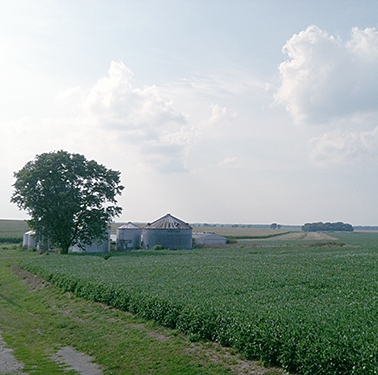
On behalf of a private U.S. agricultural technology provider, WPI’s team generated an econometric model to forecast the movement of concentrated corn production north and west from the traditional U.S. Corn Belt. WPI’s model has subsequently provided quantitative support to a multi-million-dollar investment into short-season corn variety development. WPI’s methodology included a series of interviews with regional grain elevators and seed consultants. Emphasizing outreach and communication with stakeholders who possess intimate sectoral knowledge – on-the-ground insights – is a regular component of WPI’s methodologies, made possible by WPI’s ever-growing network of industry contacts.