


The Chinese producers' soymeal price averaged RMB 2,837/MT ($447.20/MT) last week. That reflected a RMB 40/MT ($6.30/MT) increase from a week ago as the estimated soymeal inventories declined in all of the surveyed regions. Oilseeds Soymeal Inventories Fall Sharply China’s soymeal inventories were estimated to be 778,400 MT at the end of last week. That is a 108,600 MT decrease (-12.25 percent) since the week prior to the National Day holiday week and 201,500 MT (-20.57 percent) lower than the same week in 2014. Equally important, the estimated soymeal inventories declined in all of the surveyed regions. In north and northeastern regions, they fell 28.43 percent and 21.85 percent to 35,800 MT and 95,200 MT, respectively, since the last w...



 What You Need to Know Today: After a period of limited activity, USDA reported a sizeable 613 KMT in soybean export sales, including 330 KMT to China and 283 KMT to unknown destinations, potentially also China. The purchases represent a meaningful pickup in demand and bring China closer to ful...
 The Trump import plan for 300,000 MT of beef supplies used for ground beef, i.e., lean trim, from September through November has, according to Secretary Brooke Rollins, brought some relief to beef prices. The Executive Order states that the Secretary of Agriculture will analyze and review the m...
 Key Takeaways: Texas illustrates the assumptions underlying the 2025 FMMO reform; Idaho exposes their limitations. The Southwest order blend (roughly 27 percent Class I, 32 percent Class III and 31 percent Class IV) exposes Texas producers to every lever USDA adjusted, with a near-neutral proj...

From WPI Consulting
Forecasting developments in production agriculture
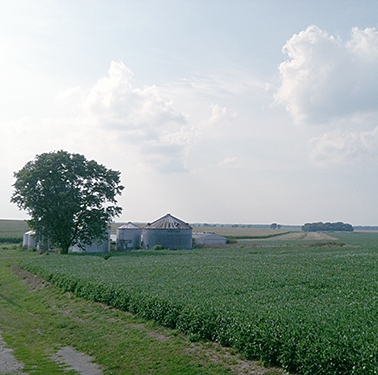
On behalf of a private U.S. agricultural technology provider, WPI’s team generated an econometric model to forecast the movement of concentrated corn production north and west from the traditional U.S. Corn Belt. WPI’s model has subsequently provided quantitative support to a multi-million-dollar investment into short-season corn variety development. WPI’s methodology included a series of interviews with regional grain elevators and seed consultants. Emphasizing outreach and communication with stakeholders who possess intimate sectoral knowledge – on-the-ground insights – is a regular component of WPI’s methodologies, made possible by WPI’s ever-growing network of industry contacts.