
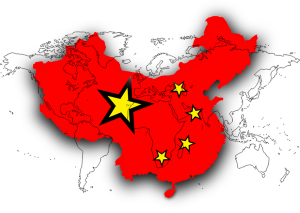
Recently, the USDA FAS lowered its forecast for China’s 2025 beef consumption based on higher prices and the Middle Kingdom’s slowing economy. The USDA forecast consumption at 11.17 MMT, down 3 percent from 2024 and the first annual decline since 2017. The motivation behind the consumption cut was the challenges faced by Chinese consumers, particularly the middle class. As the economy stalls and GDP growth shrinks (most likely far faster than the CPP will admit), consumer budgets are increasingly squeezed, which is pushing consumption towards value meats like pork and poultry. China’s economic problems are further compounded by negative population growth, which will also have an impact on meat consumption. WPI...



 What You Need to Know Today: Oil prices moved higher early Monday before giving back some of their gains after drone attacks forced the shutdown of Saudi Arabia’s East-West Pipeline, a critical route for bypassing constrained shipping through the Strait of Hormuz. The disruption puts rou...
 Key Takeaways: Expected returns to production for U.S. cow-calf producers have shifted lower from prior forecasts as cattle values fall and feed costs rise. Producer revenues are forecast 1 percent below our August outlook and will be 1.2 percent below 2025 levels. Feed costs have lessen...

From WPI Consulting
Accountability and a comprehensive approach to export programming

WPI’s team helped construct a strategic approach to develop, implement, and track promotional activities in 8 key regions across the globe for an agricultural export association. With continued progress measurement and strategic advisory services from WPI, the association has seen its ROI from investments in promotional programming increase by 44 percent over the past 5 years. Not only does this type of holistic approach to organizational strategy provide measurable results to track and analyze, it fosters top-down and bottom-up organizational accountability.