

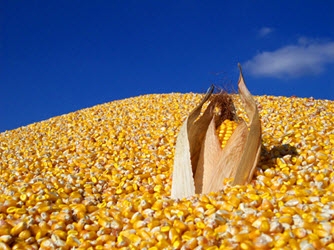
Chinese agricultural analysis firm JCI notes that the country’s major livestock production fell 10.2 percent last year (-21 percent for pork), and yet feed production was down just 4.4 percent. There are several factors behind these numbers including a ban on feeding slop to pigs, the increase in average slaughter weight, the rise in poultry production and animals slaughtered for disease control nonetheless were fed to some degree. However, the more notable observation going forward is the implication of these changes on future feed demand. China’s ban on low-grade feed is likely to continue, as is its conversion to industrial production methods. If China fattened livestock in a manner similar to the U.S., feed disappearance wo...



 The Trump import plan for 300,000 MT of beef supplies used for ground beef, i.e., lean trim, from September through November has, according to Secretary Brooke Rollins, brought some relief to beef prices. The Executive Order states that the Secretary of Agriculture will analyze and review the m...
 Key Takeaways: Texas illustrates the assumptions underlying the 2025 FMMO reform; Idaho exposes their limitations. The Southwest order blend (roughly 27 percent Class I, 32 percent Class III and 31 percent Class IV) exposes Texas producers to every lever USDA adjusted, with a near-neutral proj...

From WPI Consulting
Communicating importance of value-added products

Facing increasing pressure to quantify the value of export promotion efforts to investors, a U.S. industry organization retained WPI to develop a quantitative model that better communicated the importance of exports. The resulting model concluded that value-added meat exports contributed $0.45 cents per bushel to the price of corn, increasing support for that sector’s financial support of WPI’s client. In addition to serving the red meat industry with this type of analysis, WPI has generated similar deliverables for the U.S. soybean and poultry/egg industries.