
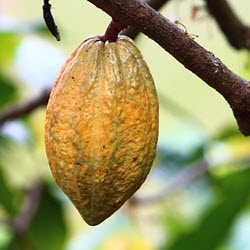
Given their inelasticity, staple agricultural commodities are a poor indicator of economic health. However, luxury food items like cocoa may be a better indicator of the world’s recovery from the coronavirus. The December contract was up about 2 percent in today’s trading but remains mired down at contract lows. It initially fell 20.8 percent during the February/March initial stages of the global crisis but dipped further this month on fears of the virus’s durability. By comparison, over that same period corn is down 13.7 percent, SRW is down 4.2 percent and soybeans are down 2.8 percent. The COVID outbreak and economic recession hit after years of cocoa production increases needed to meet the demands of a richer wo...



 Key Takeaways: A student group from the University of Chicago is protesting to bring back onion futures trading. Trading in onion futures was banned in 1958 following a spectacular bout of market manipulation that resulted in a corner of the physical market. The ban on onion futures led t...

From WPI Consulting
Illuminating the value of technical research

On behalf of a commodity producer organization, WPI evaluated the outputs from a project that featured a $5 million investment into technical research over multiple years. WPI’s team captured the results of this extensive effort and synthesized them for presentation to the organization’s governing board; among the findings uncovered and presented for the first time was the development of genomic traits proven, via rigorous testing, to provide crop yield advantages of 50 percent or more to U.S. farmers in times of drought. Capturing measurable results from long-term efforts can be challenging. Educating clients on the dynamics of success measurement when quantifiable results are not readily available requires deep client-consultant collaboration and an ability to consider both near- and long-term client aspirations with market/policy dynamics – attributes that WPI brings to every consulting engagement.