
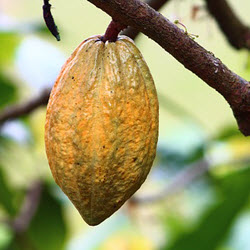
The outlook for the last half of the 2024/25 cocoa market is dominated by generally favorable weather and upward revisions to production estimates. Demand remains a major focal point as well with the U.S. tariffs and recession risk likely to upend consumption in the world’s second biggest chocolate market. Overall, WPI sees more bearish prospects for cocoa prices over the next few months and into 2025/26 as global supplies look to recover from their disastrous 2023/24 levels. Short-Run Dynamics Over the past three months, ICE cocoa futures have traded a relatively tight range (compared to recent history) of $7,600-$9,460/MT with buyers willing to chase rallies and end-users becoming active on breaks. Tight global stocks are help...


 Key Takeaways: A student group from the University of Chicago is protesting to bring back onion futures trading. Trading in onion futures was banned in 1958 following a spectacular bout of market manipulation that resulted in a corner of the physical market. The ban on onion futures led t...
 WPI Grain Prices and Freight Rate App Note: you can also visit the app directly by clicking here. Supplemental Information The section below offers a concise view of the options available in the current version of the WPI FOB Price and Freight Rate app, along with a short “How To”...


 Key Takeaways: Brazil confirmed a Newcastle disease outbreak at a commercial turkey farm in Santa Catarina on 18 October, raising concerns about potential disruptions to poultry exports despite the outbreak being confined to a single facility thus far. Mexico and Malaysia have imposed nationwi...

From WPI Consulting
Communicating importance of value-added products

Facing increasing pressure to quantify the value of export promotion efforts to investors, a U.S. industry organization retained WPI to develop a quantitative model that better communicated the importance of exports. The resulting model concluded that value-added meat exports contributed $0.45 cents per bushel to the price of corn, increasing support for that sector’s financial support of WPI’s client. In addition to serving the red meat industry with this type of analysis, WPI has generated similar deliverables for the U.S. soybean and poultry/egg industries.