World Perspectives
livestock

COOL Report

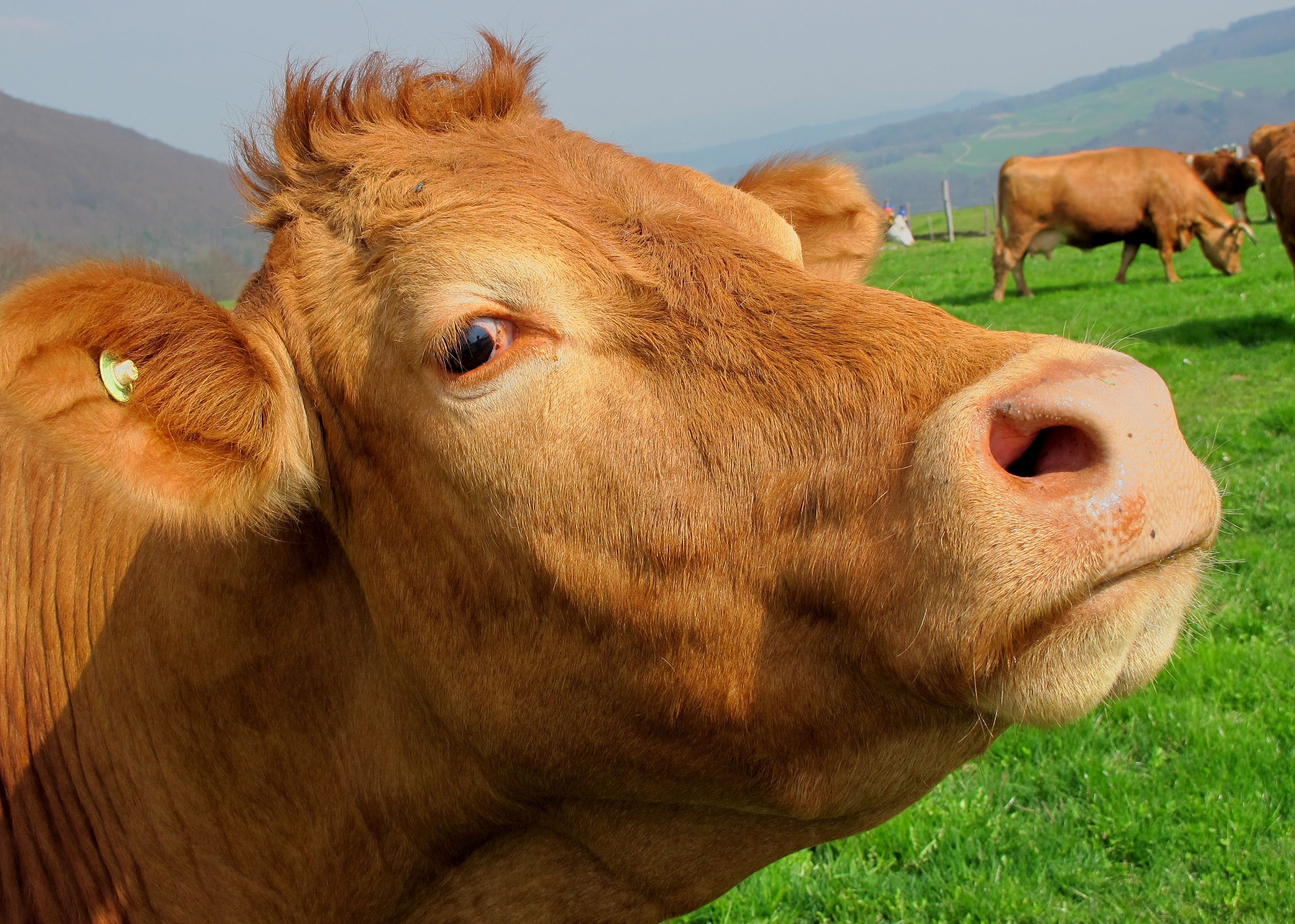
The requirement in the U.S. for country-of-origin labeling became effective in 2008 and by 2015 legislators were writing its repeal. The way it had been designed was ruled protectionist by the WTO and yet every year a certain group of politicians seek a return to the mandate, largely due to pressure from small cow-calf producers. Now a trade bill making its way through the Congress contains the usual compromise when there is support but not enough to make it happen – the requirement for a study and a report. The study would focus on the impact of COOL on consumers, producers, and food security. If its repeal hurt any of the aforementioned factors, there is a requirement for recommended legislative remedy. Notably, U.S. beef imports w...

Related Articles
feed-grains soy-oilseeds wheat

Market Commentary: Yield, Acreage Increases Sink Corn, Soybeans

The CBOT came under heavy selling pressure following the January WASDE as USDA unexpectedly increased U.S. corn acreage and yields. The USDA also added area to the soybean harvested and made a bearish cut to U.S. wheat demand, moves which sent all of the major commodity futures markets sharply...

India Holds Out; USMCA Friction; AI and Ag

India Holds Out The most disappointed of U.S. trading partners has to be India. It has long held hope that it would succeed China as the largest foreign supplier to the American market. It is a natural foil to China, which has been politely designated by Washington as a strategic competitor and...

energy

Venezuela Oil Situation and Oil Price Impacts

The world woke up on Jan. 3 to news of the arrest of Nicolas Maduro, the self-proclaimed president of Venezuela. Few expected this move from the U.S. administration, but in hindsight it may not have been surprising. The Biden administration had placed a $25 million bounty on Maduro through the...

feed-grains soy-oilseeds wheat

Market Commentary: Yield, Acreage Increases Sink Corn, Soybeans

The CBOT came under heavy selling pressure following the January WASDE as USDA unexpectedly increased U.S. corn acreage and yields. The USDA also added area to the soybean harvested and made a bearish cut to U.S. wheat demand, moves which sent all of the major commodity futures markets sharply...

India Holds Out; USMCA Friction; AI and Ag

India Holds Out The most disappointed of U.S. trading partners has to be India. It has long held hope that it would succeed China as the largest foreign supplier to the American market. It is a natural foil to China, which has been politely designated by Washington as a strategic competitor and...

energy

Venezuela Oil Situation and Oil Price Impacts

The world woke up on Jan. 3 to news of the arrest of Nicolas Maduro, the self-proclaimed president of Venezuela. Few expected this move from the U.S. administration, but in hindsight it may not have been surprising. The Biden administration had placed a $25 million bounty on Maduro through the...

feed-grains

WASDE Corn - Jan 2026

USDA’s Jan estimate for 2025/26 U.S. corn is for larger production and higher feed residual usage to result in greater ending stocks: Corn production is estimated at 17.0 billion bushels, up 269 million on a 0.5-bushel increase in yield to 186.5 bushels per acre and a 1.3-million acre ris...

Image
From WPI Consulting

Forecasting developments in production agriculture

On behalf of a private U.S. agricultural technology provider, WPI’s team generated an econometric model to forecast the movement of concentrated corn production north and west from the traditional U.S. Corn Belt. WPI’s model has subsequently provided quantitative support to a multi-million-dollar investment into short-season corn variety development. WPI’s methodology included a series of interviews with regional grain elevators and seed consultants. Emphasizing outreach and communication with stakeholders who possess intimate sectoral knowledge – on-the-ground insights – is a regular component of WPI’s methodologies, made possible by WPI’s ever-growing network of industry contacts.

Search World Perspectives

Sign In to World Perspectives

Don’t have an account yet? Sign Up