
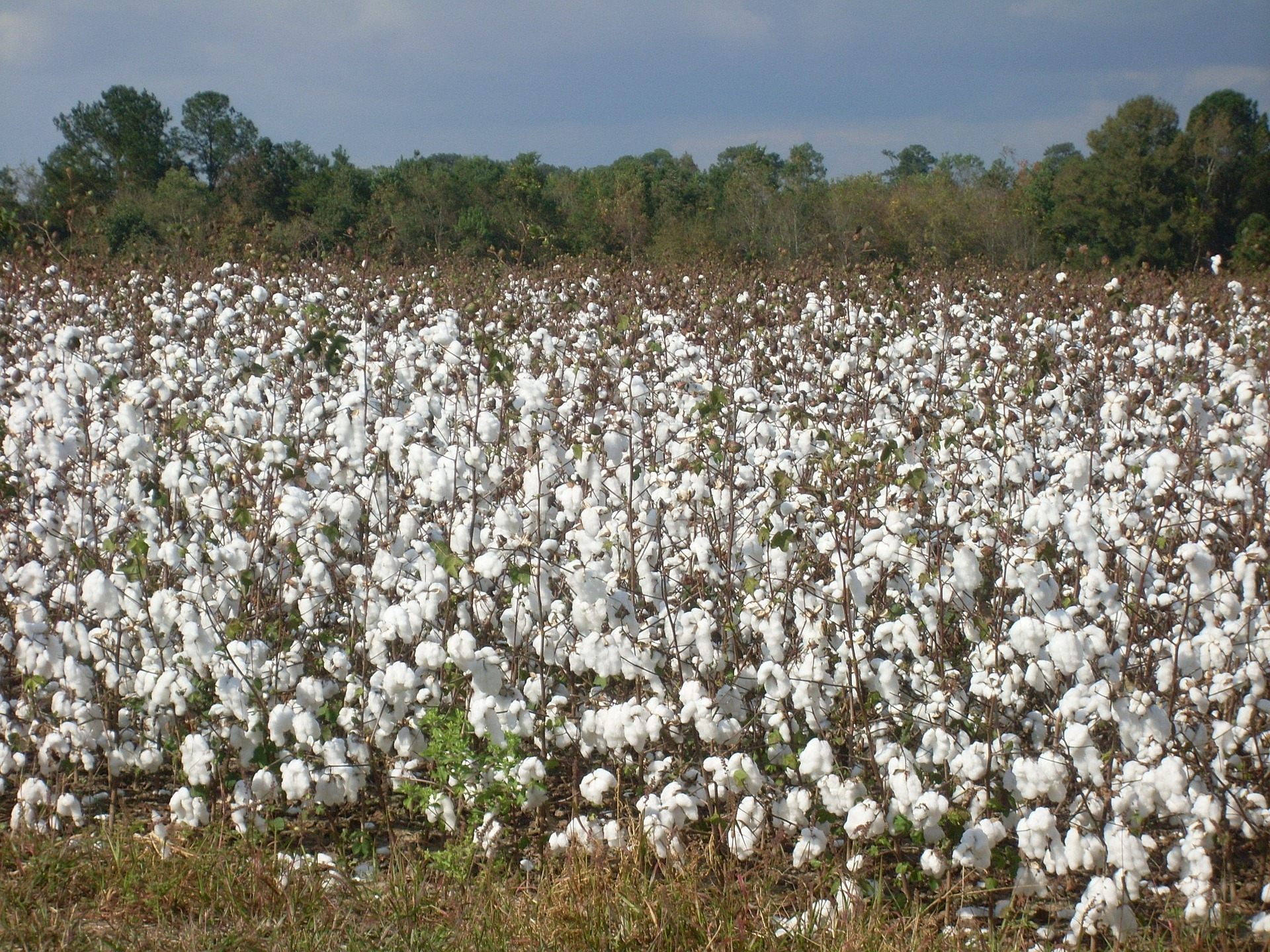
While area planted to cotton is expanding elsewhere in the world, U.S. farmers are sowing less. More importantly, abandonment is projected to jump from 8.5 percent last year to 31.5 percent this season, almost matching the high level in 2020. The extreme drought in the Southwest is the primary cause for the increase. Chinese cotton prices peaked in March and have been declining ever since. Demand has been hurt by Covid-related mill closures and the U.S. ban on cotton from Xinjiang. The Central government has stepped up lending in the region to offset adverse impacts. China’s textiles hold steady at nearly a third of the global market, but growth is occurring in Pakistan and Bangladesh. Meanwhile, Australia and Brazil have...



 Total Red Meat & Poultry September 2026 total red meat and poultry stocks totaled 1.97 billion pounds, down 1.4 percent from August despite typically increasing 0.8 percent during the month, and were 1.5 percent below September 2025 levels. The decline pushed total inventories to a new five...

From WPI Consulting
Communicating importance of value-added products

Facing increasing pressure to quantify the value of export promotion efforts to investors, a U.S. industry organization retained WPI to develop a quantitative model that better communicated the importance of exports. The resulting model concluded that value-added meat exports contributed $0.45 cents per bushel to the price of corn, increasing support for that sector’s financial support of WPI’s client. In addition to serving the red meat industry with this type of analysis, WPI has generated similar deliverables for the U.S. soybean and poultry/egg industries.