Key Takeaways:
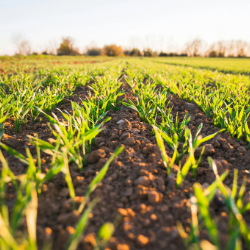
Cover crops are gaining adoption as farmers seek to improve soil health, reduce erosion, and build more resilient cropping systems. While cover crops do not provide immediate revenue, their long-term benefits include improved nutrient retention, water management, and soil productivity. Adoption remains gradual due to upfront costs, additional management requirements, and regional differences in effectiveness. Different cover crop species provide unique benefits, with grasses improving soil protection and nutrient capture, legumes contributing nitrogen, and brassicas and other broadleaf species supporting soil structure and nutrient cycling. Successful cover crop use depends on effective termination, as proper timing helps ma...


 WPI Grain Prices and Freight Rate App Note: you can also visit the app directly by clicking here. Supplemental Information The section below offers a concise view of the options available in the current version of the WPI FOB Price and Freight Rate app, along with a short “How To”...

 Russian Grain Markets: 12–16 October 2026 During the week in review, the Russian grain market began recovering after an extended decline driven largely by Black Sea logistics bottlenecks, a good crop and weaker global demand in traditional Russian markets. Russia is beginning to harvest c...
 What You Need to Know Today: Corn and soybeans were under heavy selling pressure as weaker (or at least as-expected) export demand runs into an accelerating harvest pace with more grain available in the spot market. Corn and soybean harvest progress remains below average across the U.S., espec...