
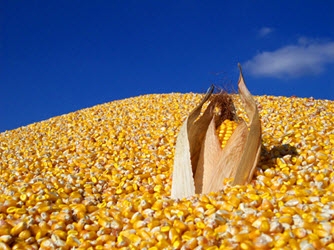
China’s corn carryover has been a mystery for many years and is ongoing due to Beijing viewing such information as protected by national security. Nonetheless, USDA, FAO, IGC and others make their guestimates of the bottom line. The FAO, which usually weighs more heavily than USDA the submitted data from UN members recently reduced its estimate of Chinese corn ending stocks by more than 50 MMT. It said the move was justified based on sharply higher Chinese imports and a domestic price substantially higher than world levels. USDA was not as aggressive in making reductions. Historically, the FAO has estimated global coarse grain stocks about 13.6 percent larger than does USDA. The UN agency has reduced stock estimates for 2020/21...



From WPI Consulting
Communicating importance of value-added products

Facing increasing pressure to quantify the value of export promotion efforts to investors, a U.S. industry organization retained WPI to develop a quantitative model that better communicated the importance of exports. The resulting model concluded that value-added meat exports contributed $0.45 cents per bushel to the price of corn, increasing support for that sector’s financial support of WPI’s client. In addition to serving the red meat industry with this type of analysis, WPI has generated similar deliverables for the U.S. soybean and poultry/egg industries.