
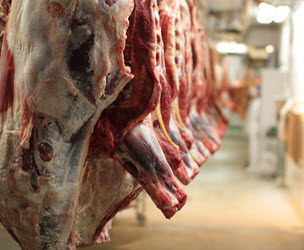
U.S. cattle ranchers predictably reacted negatively to President Trump’s suggestion of importing more Argentine beef to lower prices for consumers. The President called on ranchers to lower their prices even though they are set by the market based on supply and demand. Jawboning will cause a temporary decline in prices, but sellers will get their due. He also said that the tariffs he imposed had “saved” cattle ranchers. Beef imports have increased despite the tariffs and the decline in the supply of feeder cattle is due to SPS restrictions on imports from Mexico related to the New World screwworm outbreak. Meanwhile, the Administration announced some helpful and some unrelated policy initiatives. Lowering the barrier...



 What You Need to Know Today: Markets got a surprise with a corn yield of 181.2 bushels/acre in the October WASDE, above the average estimate of 177.6 bushels/acre and up from USDA’s September estimate of 178.5 bushels/acre. Although stronger demand is expected to absorb some of the addit...

 Key Takeaways: On Friday afternoon, President Trump announced that Russia will “immediately supply over 300,000 Tons of Diesel Fuel” to the United States. The deal, typical of this administration, is light on details but promises an additional 500,000 tons in November and 1 m...
 The USDA has lowered its 2026 red meat production forecasts slightly while forecasting a slight increase in broiler production. Beef is now projected at 24.802 billion pounds, 75 million pounds less than in September. Cow slaughter is expected to be up; however, this will be offset by lower ste...

From WPI Consulting
Communicating importance of value-added products

Facing increasing pressure to quantify the value of export promotion efforts to investors, a U.S. industry organization retained WPI to develop a quantitative model that better communicated the importance of exports. The resulting model concluded that value-added meat exports contributed $0.45 cents per bushel to the price of corn, increasing support for that sector’s financial support of WPI’s client. In addition to serving the red meat industry with this type of analysis, WPI has generated similar deliverables for the U.S. soybean and poultry/egg industries.