
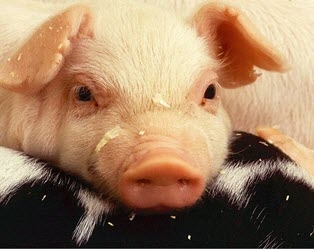
China’s new countercyclical pork production support program includes the goal of pork imports not exceeding 5 percent of production. The goal is not illegal provided Beijing does not exceed its WTO commitments for support and market access, but it does contravene the concept of free and open markets. China’s pork imports have been about 10 percent of consumption the past couple of years (see graph below). While China imports a lot of intermediate goods for further value-added and re-export, this policy is specifically intended to displace import competition. A similar policy for all goods in the U.S. would upset China’s export-led growth. According to the Federal Reserve Bank of San Francisco, around 11 percent of U...



From WPI Consulting
Communicating importance of value-added products

Facing increasing pressure to quantify the value of export promotion efforts to investors, a U.S. industry organization retained WPI to develop a quantitative model that better communicated the importance of exports. The resulting model concluded that value-added meat exports contributed $0.45 cents per bushel to the price of corn, increasing support for that sector’s financial support of WPI’s client. In addition to serving the red meat industry with this type of analysis, WPI has generated similar deliverables for the U.S. soybean and poultry/egg industries.