
Commodity markets are weakening both due to higher interest rates depressing demand and slowed world trade, and because many are traded based on the dollar, which has skyrocketed in value. Technically, it can be argued that it is the euro/pound/yen that have weakened since the dollar’s value has maintained relative value to emerging market currencies excluding China and Russia. Though emerging markets still face the risk of distressed debt as they’ve overspent reserves to slow their own inflationary pressures. The bottom line is that global trading links to the dollar remain strong, and the Federal Reserve’s effort to slow the U.S. economy is concurrently slowing global GDP growth. UNCTAD sees global development sta...



From WPI Consulting
Infrastructure investment due diligence
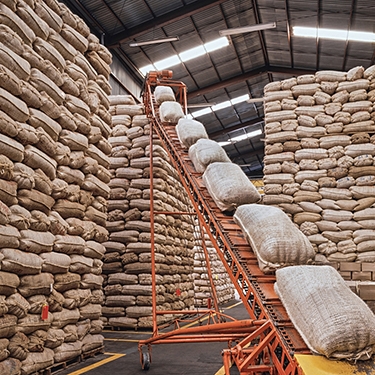
On behalf of a Canadian oilseed processer WPI's team provided market analysis, econometric modeling and financial due diligence in support of a $24 million-dollar investment in a Ukrainian crush plant. Consistent with WPI's findings, local production to supply the plant and the facility's output have expanded exponentially since the investment. WPI has conducted parallel work on behalf of U.S., South American and European clients, both private and public, in the agri-food space.