
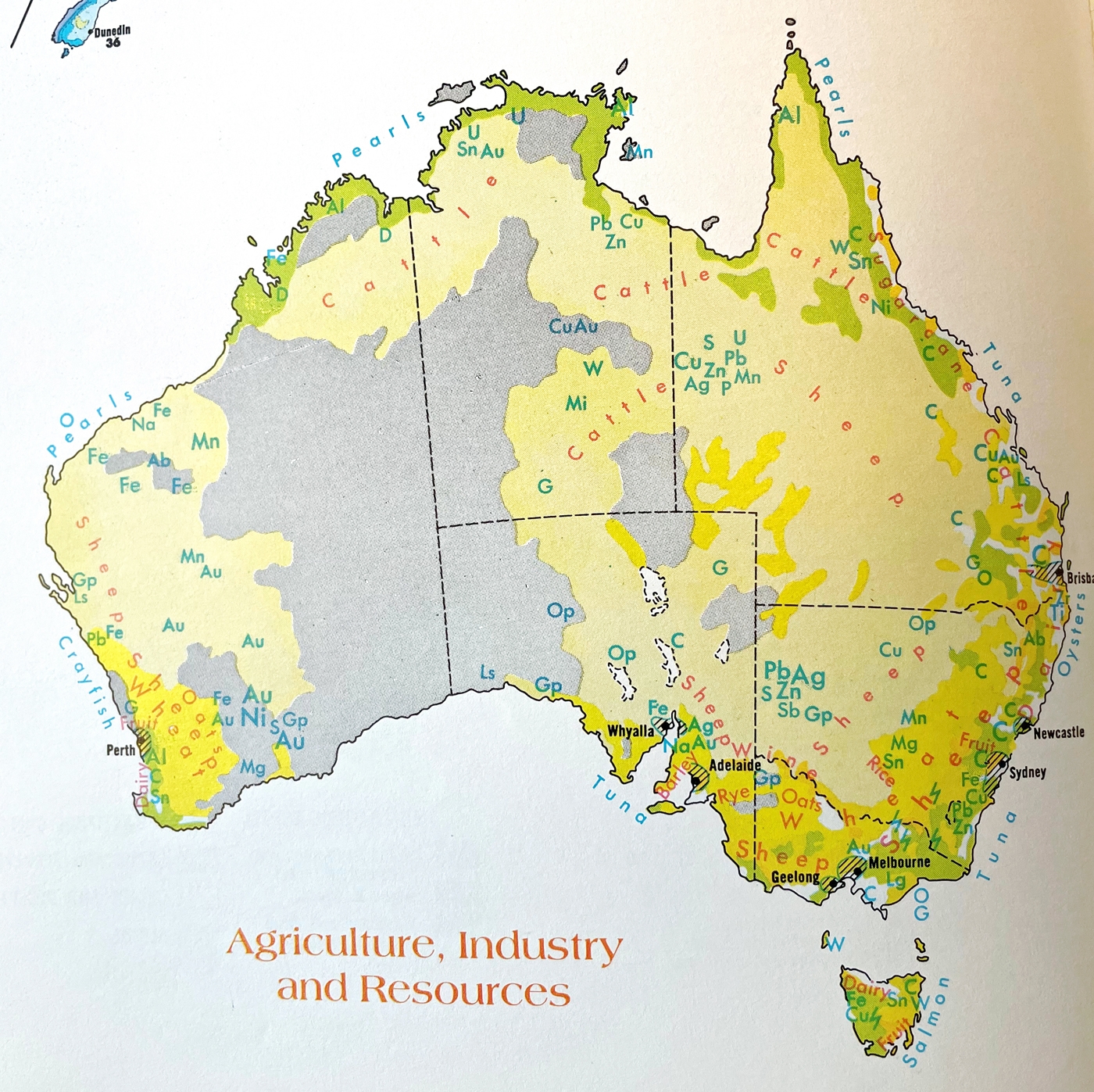
Major wheat exporters have a tremendous opportunity if they can take their advantage. India was thought to be in the catbird seat. Production was going to be up 1.6 percent but the exportabe surplus would be up 200 percent, until it wasn’t. Dry heat shrunk the crop and now there are export restrictions. Australia for once escaped its frequent drought conditions and produced a respectable crop. Exports will be up from 11.7 percent of world share last year to 13.7 percent this year, but under its potential. The Aussies blame a lack of truck drivers, clogged ports, and limited rail capacity, the latter bid up by steadier coal and iron ore export supplies. Worse for Australia’s future potential, fertilizer is imported and exp...



 What You Need to Know Today: As was widely expected, the Federal Reserve raised interest rates by 25 basis points to a target range of 3.75–4.00 percent, its first rate increase since 2023, as policymakers respond to persistent inflation pressures. The Fed also signaled that additi...
 Russian Grain Markets: 7–11 September 2026 During the first week of September, the Russian grain market remained volatile but predominantly bearish. Among the few commodities that continued to show a bullish trend was rye, which is in short supply this year and has few offers available. I...

From WPI Consulting
Infrastructure investment due diligence
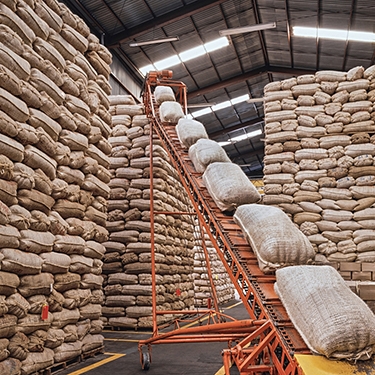
On behalf of a Canadian oilseed processer WPI's team provided market analysis, econometric modeling and financial due diligence in support of a $24 million-dollar investment in a Ukrainian crush plant. Consistent with WPI's findings, local production to supply the plant and the facility's output have expanded exponentially since the investment. WPI has conducted parallel work on behalf of U.S., South American and European clients, both private and public, in the agri-food space.