
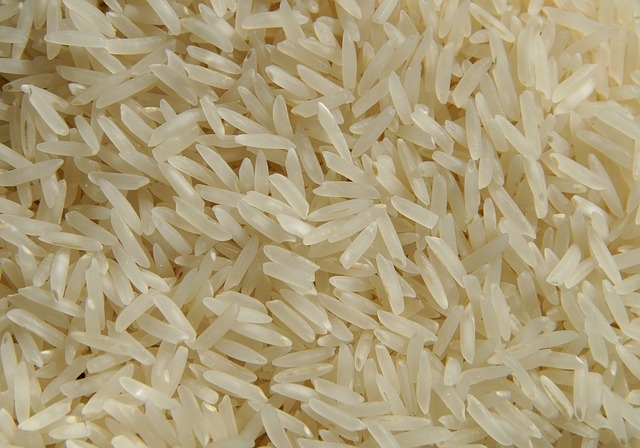
Although several crops are at risk due to the drought in southern China, rice is said to be the most at risk. This is because almost half the country’s rice crop is produced in the six provinces being impacted (Sichuan, Chongqing, Hubei, Henan, Jiangxi and Anhui). Some call it a severe challenge. One advisory firm warns that its vegetative health index for the affected region “is at the lowest level in more than two decades.” Rice is a water intensive crop and soil moisture levels are said to be at a 12-year low. Still, others say crop production will not be severely impacted. Li Guoxiang of the Chinese Academy of Social Sciences told the Global Times that the places where it will be felt most strongly are in the mo...



 Key Takeaways: A student group from the University of Chicago is protesting to bring back onion futures trading. Trading in onion futures was banned in 1958 following a spectacular bout of market manipulation that resulted in a corner of the physical market. The ban on onion futures led t...

From WPI Consulting
Forecasting developments in production agriculture
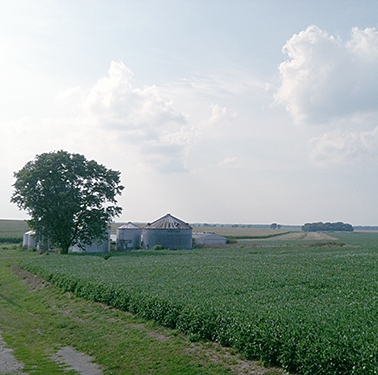
On behalf of a private U.S. agricultural technology provider, WPI’s team generated an econometric model to forecast the movement of concentrated corn production north and west from the traditional U.S. Corn Belt. WPI’s model has subsequently provided quantitative support to a multi-million-dollar investment into short-season corn variety development. WPI’s methodology included a series of interviews with regional grain elevators and seed consultants. Emphasizing outreach and communication with stakeholders who possess intimate sectoral knowledge – on-the-ground insights – is a regular component of WPI’s methodologies, made possible by WPI’s ever-growing network of industry contacts.