Key Takeaways:
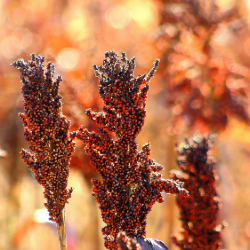
Drought remains a major threat to global agricultural production, particularly in regions with limited rainfall and growing water scarcity. Commercially available drought-tolerant traits in corn, soybeans, and wheat have generally delivered modest yield improvements, limiting their impact on drought risk. Sorghum, millet, barley, and cassava possess natural drought-resistant characteristics that make them valuable alternatives in water-stressed regions. Expanding the use of naturally drought-adapted crops may prove more effective than relying solely on biotechnology to manage future drought risk.
Drought and Its Impact on Agriculture A drought is a prolonged period of below-average precipitation that results in a shortage o...



 Key Takeaways: USDA data access is equal; the ability to use it is not. Larger operations can afford experts who turn public reports into business decisions. Analytical capacity is the true advantage. Forecasts matter only when converted into profit, purchasing, and risk-management decisions...
 Russian Grain Markets: 7–11 September 2026 During the first week of September, the Russian grain market remained volatile but predominantly bearish. Among the few commodities that continued to show a bullish trend was rye, which is in short supply this year and has few offers available. I...