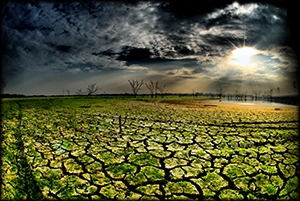
Southeast Asia has experienced droughty conditions the past several months and the United Nations Economic and Social Commission for the Asia/Pacific region says it is part of a longer-term meteorological trend. The change is most adversely impacting rice production and will likely benefit wheat. Southeast Asia has been importing more wheat than corn but countries in the region have shown over the past decade a faster growing interest in corn for livestock feed. That is now likely to change.
The region has already shown a strong preference for wheat as a food ingredient with demand for this commodity growing at an average pace of 6 percent per year over the last decade. This contrasts with a relatively flat per capita market for r...



 What You Need to Know Today: As was widely expected, the Federal Reserve raised interest rates by 25 basis points to a target range of 3.75–4.00 percent, its first rate increase since 2023, as policymakers respond to persistent inflation pressures. The Fed also signaled that additi...

 Key Takeaways: USDA data access is equal; the ability to use it is not. Larger operations can afford experts who turn public reports into business decisions. Analytical capacity is the true advantage. Forecasts matter only when converted into profit, purchasing, and risk-management decisions...
 Russian Grain Markets: 7–11 September 2026 During the first week of September, the Russian grain market remained volatile but predominantly bearish. Among the few commodities that continued to show a bullish trend was rye, which is in short supply this year and has few offers available. I...