
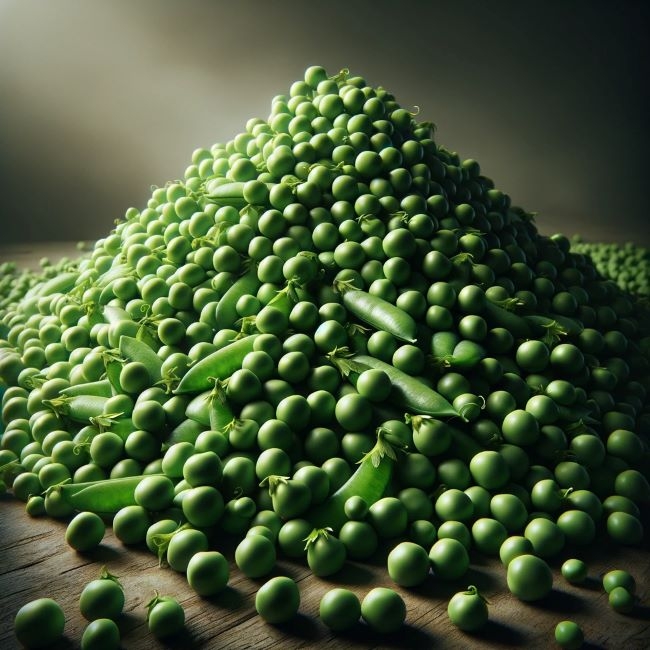
Plants such as beans, lentils and chickpeas are the nutritional rage. They are plant derived foods with higher protein content and thus their production and consumption should be on the rise. But alas, the USDA data is not comporting with that nutritional advice. Over the past four years, the U.S. area planted to dried peas, beans, lentils and chickpeas has gone down, along with production. Imports and exports of these commodities have risen, but the strong dollar distorts the situation. On a quantity basis, imports are up 5.1 percent and exports are down by 5.3 percent, but exports are still three times the volume as imports. Either way, the per capita availability of these supposedly preferred foods has gone down. ...



 Key Takeaways: Demand and capacity decide where milk growth lands. Italian cheese is up 4.2 percent in 2026, and milk output is growing fastest in Kansas, South Dakota and Texas, where the new plants are located. Price spreads decide where the marginal milk goes. The Class IV premium over Clas...


 Markets are caught between reasons to keep selling and reasons to take another look. Fund liquidation and renewed peace talks are pressuring grains, while fresh export business and some diesel relief offer encouragement. Corn recovered nearly 10 cents from its low to finish higher, while soybea...

 Key Takeaways: President Trump announced $8 billion in additional agricultural assistance through the Harvest Fuel Relief Program, as USDA projects farm fuel and oil expenses will increase 28.8 percent in 2026. The package follows $12 billion in earlier relief, while government farm payments w...

From WPI Consulting
Infrastructure investment due diligence
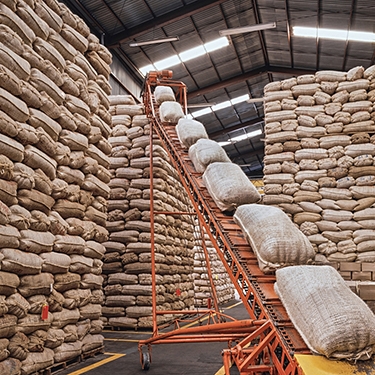
On behalf of a Canadian oilseed processer WPI's team provided market analysis, econometric modeling and financial due diligence in support of a $24 million-dollar investment in a Ukrainian crush plant. Consistent with WPI's findings, local production to supply the plant and the facility's output have expanded exponentially since the investment. WPI has conducted parallel work on behalf of U.S., South American and European clients, both private and public, in the agri-food space.