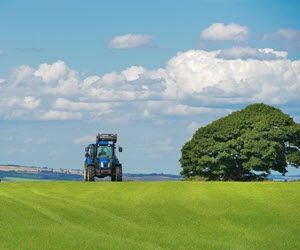
Europe’s new Farm to Fork strategy includes ambitious targets to reduce fertilizer and pesticide use, which should yield some skepticism. The goal is to slash fertilizer use by 20 percent and cut the amount of pesticides and antibiotics in use by 50 percent – all by 2030. There is also the target of tripling the amount of land in organic production to 25 percent of area. Officials clarify this is a “vision,” which means it is unlikely to be achieved. Fertilizer use has already declined by 30 percent from its peak in 1985 but the application of potash and phosphate is forecast by the industry to increase. Most fertilizer is used for cereal and oilseed crops, so competitor producers in the Americas will be cheer...


 Key Takeaways: Peace at last in the Persian Gulf? Over the weekend, the U.S. announced and Iranian officials confirmed a peace agreement, with formal ratification set for Geneva on 19 June. The announcement means the Strait of Hormuz is set to reopen fully and toll-free within 30 days.&n...
 WPI Grain Prices and Freight Rate App Note: you can also visit the app directly by clicking here. Supplemental Information The section below offers a concise view of the options available in the current version of the WPI FOB Price and Freight Rate app, along with a short “...
 The U.S. and Iran announced a framework peace deal. Crude oil futures dropped to $83.08, the lowest since early March. The breakthrough comes as President Trump said that if Iran failed to reach a deal, he would order renewed military attacks. An LNG tanker chartered by India’s Petronet c...


From WPI Consulting
Forecasting developments in production agriculture
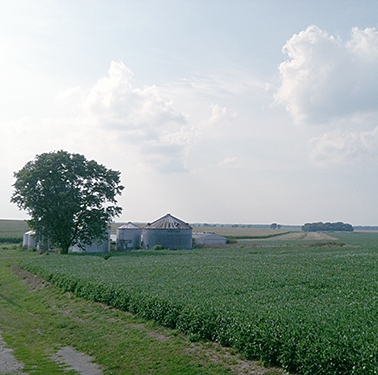
On behalf of a private U.S. agricultural technology provider, WPI’s team generated an econometric model to forecast the movement of concentrated corn production north and west from the traditional U.S. Corn Belt. WPI’s model has subsequently provided quantitative support to a multi-million-dollar investment into short-season corn variety development. WPI’s methodology included a series of interviews with regional grain elevators and seed consultants. Emphasizing outreach and communication with stakeholders who possess intimate sectoral knowledge – on-the-ground insights – is a regular component of WPI’s methodologies, made possible by WPI’s ever-growing network of industry contacts.