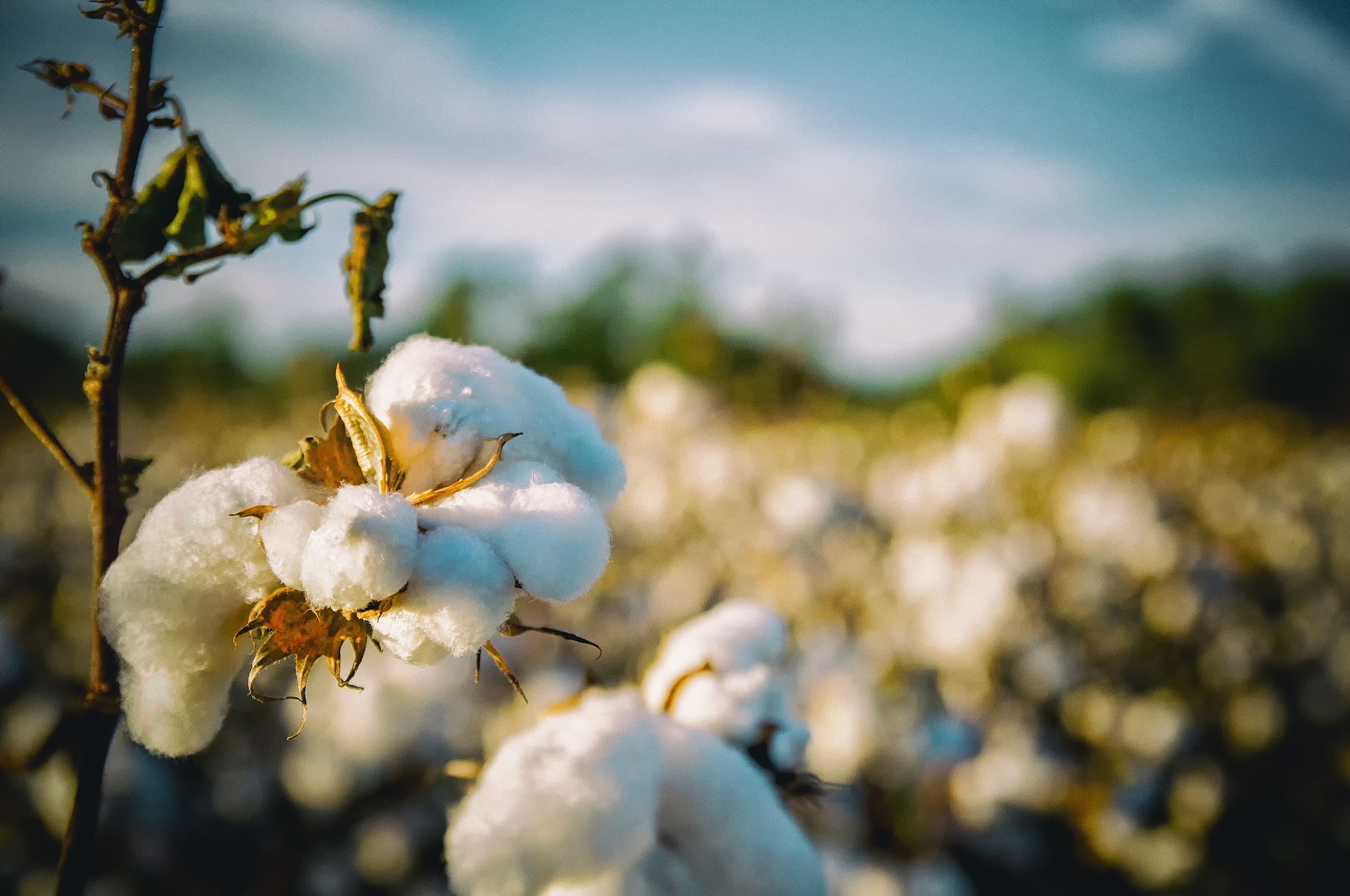
Cotton prices have rallied 35 percent since September as it tries to keep pace with corn and soybeans in the battle for acres this spring. Unlike dryland wheat, land that can grow cotton can also profitably produce corn and soybeans. Cotton requires 200 percent more chemical usage to produce than corn and soybeans. It is by contrast a non-food commodity. The production and consumption of meat has become controversial, both for health and environment reasons, and there is a push to replace animals with plant-based protein and cell-based muscle tissue production. Unlike meat, substitutes for cotton have been in use for many decades. Most are derived from petroleum (polyester, nylon, and polypropylene), but there are other natural subst...



From WPI Consulting
Weighing in on strategic realignment

WPI’s team was retained by the governing board of a U.S. industry organization to review a decision, reached by vote, to invest significant assets into the development and management of an export trading company. WPI’s team conducted a formal review of this decision and concluded that the current level of market saturation would limit the benefits of the investment. Based on WPI’s analysis and recommended actions, the board subsequently reversed its decision and undertook a strategic planning effort to identify more impactful investments. On behalf of numerous clients, WPI has not only assisted in identifying strategic paths but also advised their implementation.