


Never has the renewability of agricultural crop resources been better demonstrated than by the current prospects for U.S. corn and soybean production for 2013/14. Further, never have the results of one crop year demanded so strongly that supplies of U.S. corn and soybeans be renewed and replenished as have the results of 2012/13.It is now a matter of history that the severe Midwestern drought of 2012 caused a drastic reduction of U.S. corn production and, to a lesser extent, U.S. soybean production in the face of potentially strong demand for both. That strong demand for reduced supplies of corn and soybeans has gradually caused the availability of both to become extremely tight. History will record that the impact on 2012/13 corn and soy...



 What You Need to Know Today: U.S. weather is getting more attention this week as conditions vary greatly across the western, central, and eastern corn belts, with the different regions battling dryness and too much rain simultaneously. The ProFarmer Crop Tour began today in Indiana and Nebrask...

 Key Takeaways: Argentina is on pace for a record corn crop and record exports in the current marketing year, with abundant supplies likely to keep the country highly competitive in global export markets. Argentina’s record exportable surplus is allowing it to offer highly competitive pri...

From WPI Consulting
Forecasting developments in production agriculture
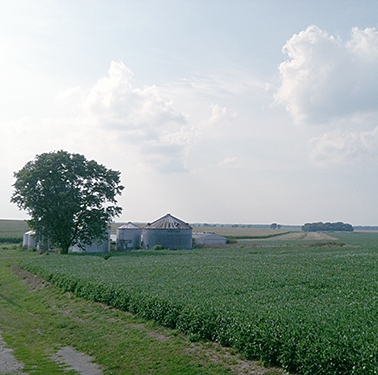
On behalf of a private U.S. agricultural technology provider, WPI’s team generated an econometric model to forecast the movement of concentrated corn production north and west from the traditional U.S. Corn Belt. WPI’s model has subsequently provided quantitative support to a multi-million-dollar investment into short-season corn variety development. WPI’s methodology included a series of interviews with regional grain elevators and seed consultants. Emphasizing outreach and communication with stakeholders who possess intimate sectoral knowledge – on-the-ground insights – is a regular component of WPI’s methodologies, made possible by WPI’s ever-growing network of industry contacts.