
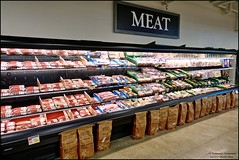
U.S. red meat and poultry stocks continue to trend below year-ago levels, driven largely by significant decreases in pork stocks. Pork stocks remain exceptionally tight and a “refilling” of the supply pipeline is needed in advance of the summer grilling season. Beef stocks were up from year-ago levels due partly, WPI believes, to heavier fed cattle weights. Finally, total poultry stocks are running below 2020 levels despite large supplies of chicken breasts and thighs/thigh quarters. The report will likely be viewed as bullish pork/hog markets and neutral cattle/poultry. ...



From WPI Consulting
Forecasting developments in production agriculture
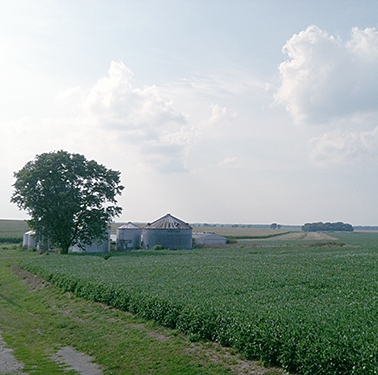
On behalf of a private U.S. agricultural technology provider, WPI’s team generated an econometric model to forecast the movement of concentrated corn production north and west from the traditional U.S. Corn Belt. WPI’s model has subsequently provided quantitative support to a multi-million-dollar investment into short-season corn variety development. WPI’s methodology included a series of interviews with regional grain elevators and seed consultants. Emphasizing outreach and communication with stakeholders who possess intimate sectoral knowledge – on-the-ground insights – is a regular component of WPI’s methodologies, made possible by WPI’s ever-growing network of industry contacts.