

The recent volatility in lean hog futures — from fresh contract highs at the end of January to the dramatic early-February selloff — has many in the industry (and WPI clients) wondering what will happen next. WPI’s latest analysis indicates that while pork demand remains strong, the market strength and sentiment that propelled futures to new contract highs earlier this year have matured, limiting the potential for additional gains through FH 2026. Supply-Side Factors Supplies of market-ready hogs have remained relatively steady since 2022, with the industry confident in its ability to meet domestic and export demand from a stable breeding herd. Hog inventories have trended slowly higher over the past four years...


 What You Need to Know Today: Cattle futures extended their sharp selloff Friday as weakening cash cattle prices, deteriorating feedlot profitability, and reduced packer demand continued to weigh on the market. The inability of futures to sustain a rally following last week's bullish Cattle on...


 As predicted, the Federal Reserve held rates steady at the last meeting before the midterm elections, likely in part because of the election (see WPI 19 October and 22 September). The decision comes at the tail end of a midterm election cycle that has been marked by the two parties campaigning...
 Key Takeaways: The tariff burden rose sharply in 2025 and 2026: the effective rate on imports in HTS Chapters 1–24 increased from 1.53 percent in 2024 to 6.11 percent in 2025, before averaging 5.68 percent in January–August 2026. Headline rates tell only part of the story: exemptio...

From WPI Consulting
Infrastructure investment due diligence
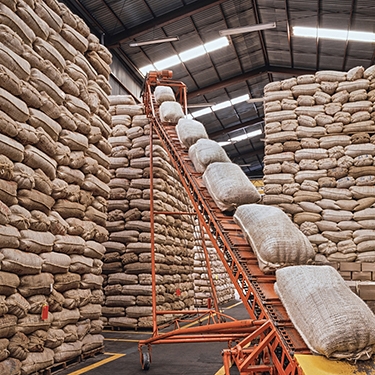
On behalf of a Canadian oilseed processer WPI's team provided market analysis, econometric modeling and financial due diligence in support of a $24 million-dollar investment in a Ukrainian crush plant. Consistent with WPI's findings, local production to supply the plant and the facility's output have expanded exponentially since the investment. WPI has conducted parallel work on behalf of U.S., South American and European clients, both private and public, in the agri-food space.